
The Fandom Diagnostic: Three Tests for Brand Sponsorships
Authors - Nithya Ramachandran
TL;DR
A funnel assumes an audience already exists. A fandom has to exist first.
Canadian sponsorship data confirms it: dollars are shifting from visibility buys to fandom investment.
A fandom is identity infrastructure. People choose it, and it tells you who they are.
T1's diagnostic runs every brief through three tests: the Values Mirror, the Ritual Audit, and the Memory Deposit.
Each test has one job: prove the fandom would claim your brand.
Return-on-objectives is how you hold a brand accountable to a fandom's terms.
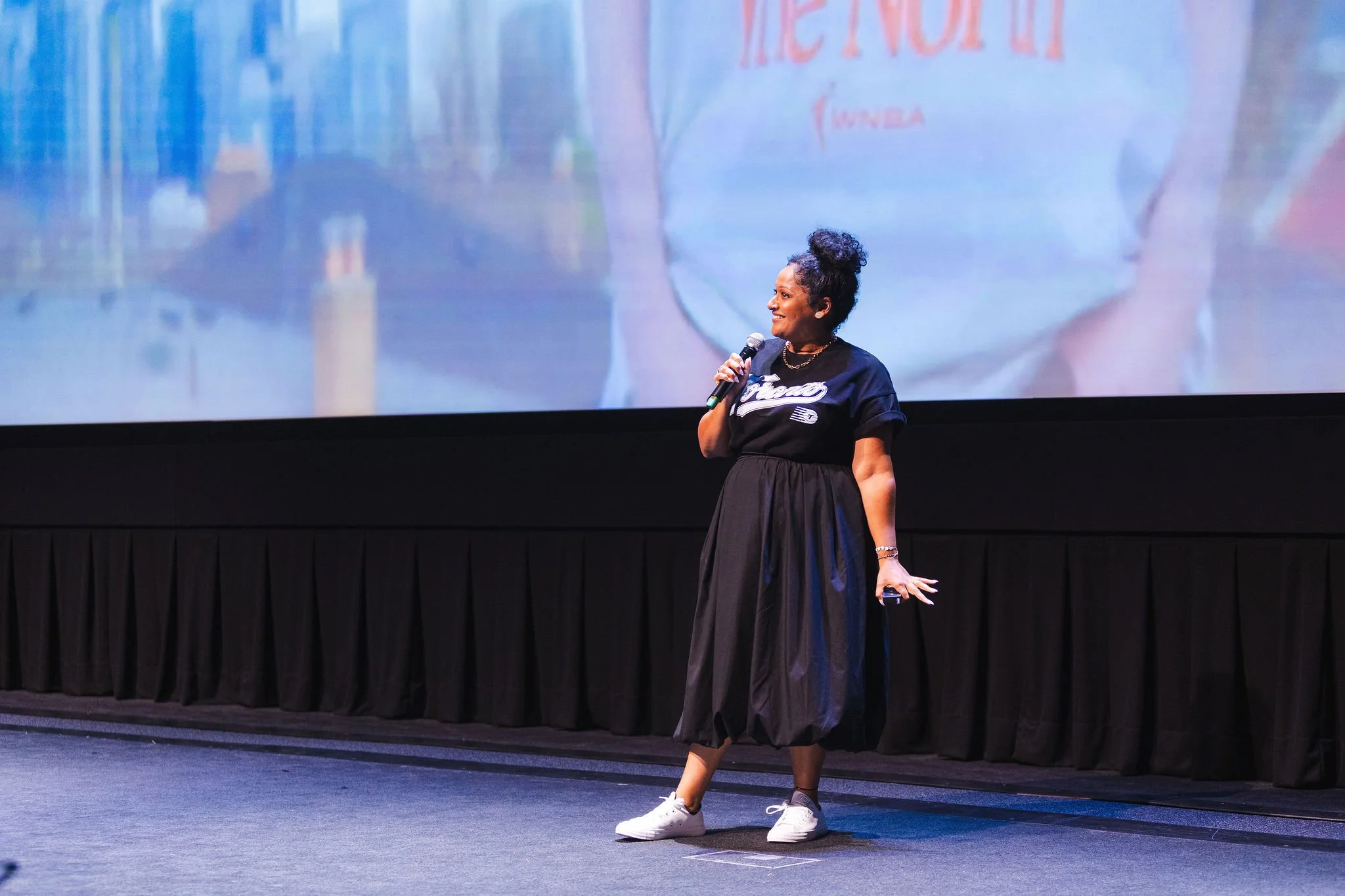
Ask a room of people to stand if they like music. Most of them will. Now ask them to stay standing only if they're in the BeyHive, hand on heart, a certified Beyoncé fan. A dedicated few remain.
That gap, between everyone who likes something and the handful who'd defend it, is the whole reason funnels keep underperforming. I ran this exercise from the stage at SponsorshipX's Brand Fandom Summit and watched the room thin out in real time. It thins out in your data too. You just haven't been asked to stand up and look.
What's the Difference Between an Audience and a Fandom?
An audience is a demographic: woman, 35 to 44, household income X. You didn't choose it, and it says almost nothing true about you.
A fandom you choose. Because you chose it, you get to be more than one thing at once. You can be a diehard for your team, three seasons deep in a show, and the person running the group chat on race weekend, all in the same person. A demographic flattens you to one row in a spreadsheet. A fandom lets you be the whole, contradictory person you actually are.
Why Do Funnels Start in the Wrong Place?
Funnels start too early. A funnel assumes the audience already exists and just needs to be moved through stages: awareness, consideration, purchase, loyalty. But whether someone moves through those stages depends on something earlier, whether they already belong to something.
The Canadian Sponsorship Landscape Study (CSLS), now in its 20th year, shows rights fees at an all-time high as demand for premium sponsorship inventory outpaces supply, alongside a growing share of spend landing in value-in-kind (VIK). What's for sale now is entry into a fandom. Properties are learning what fans already knew: exposure was never the point. Belonging was.
How Do You Know If a Fandom Would Claim Your Brand?
We run every brief through three diagnostic tests. Each one is really asking the same thing: are you keeping your end of the bargain as a brand.
1. The Values Mirror. When the fandom looks at your brand, do they see themselves, or an advertiser? Pressure test: if your brand pulled out of its sponsorship tomorrow, would the fandom even notice? Dove passed this test by planting a flag on real beauty standards in 2004 and holding that position for two decades. The Self-Esteem Project has now reached over 100 million young people, and per WPP's reporting, Dove has doubled in size within a decade. Values were the strategy.
2. The Ritual Audit. Every fandom has rituals: things fans do together, over and over, that mark them as members. You will find those rituals in Discord servers at 11pm and three-year-old Reddit threads. You will never find them on a dashboard. Pressure test: name one thing fans do together that your brand can be part of. When T1 worked on Uber Eats' Toronto Maple Leafs, Vancouver Canucks, and Montreal Canadiens partnerships, it was about finding the ritual within hockey fandom: game-watching, game-day eats, the 4pm group text, the same order going in before puck drop, every single game. We built "Crave the Stats" inside that behaviour, merging hockey stat obsession with game-day rituals and food.
3. The Memory Deposit. Every activation is a deposit into memory, and memory is what a fan acts on months later. Pressure test, and it's the hardest one: if a fan told the story of your last activation to someone who wasn't there, would your brand even be in the story? A memory that sticks is emotionally charged, social, and identity-relevant. For 40 years, anime artists quietly drew a fictional "WcDonald's" into their shows, flipping the M to dodge licensing. Most brands would have sent lawyers. McDonald's flipped its own arches instead, built out manga packaging, a limited sauce, and anime shorts with Studio Pierrot, and saw Chicken McNugget sales climb 8.8 percent during the campaign. They helped the fandom build out the universe.

Courtesy: McDonald’s Canada
Where This Leaves Fandom, Experience, and ROO
Fandom is what you have to earn a place inside of. Experience is showing up inside a ritual the fandom already owns.
Impact gets held to account. The CSLS research has tracked this shift for close to two decades: the industry's 2009 report was the first to introduce return-on-objectives alongside return-on-investment, marking the moment sponsorship success stopped being measured purely in dollars and started being measured against whatever the deal was built to do. Run these three tests, then measure against the objectives that mattered from the start. That's return-on-objectives.
So, on your next brief, don't start with how you reach them. Ask whether you're worth standing next to. Get that right, and you stop chasing the funnel. You've already earned it.
Curious how the Values Mirror, Ritual Audit, and Memory Deposit would score your next activation? Let's talk.