
You Can’t Buy Fans: 5 Lessons From the SPX Fandom Summit
Authors - Audrey Lim and Sarah Hassanally
TL;DR
Origins of fandom: Fandom has always been rooted in devotion, identity and shared culture.
Fans are not audiences: You can pay to reach people, but you cannot buy fans.
Types of fans: People participate in fandom in different ways, from diehards and amplifiers to changemakers and champions.
Engaging fandom is intentional: The strongest partnerships start with a clear reason to exist and a meaningful role for the brand.
Fandom is belonging: At its best, fandom helps people feel part of something bigger and imagine new possibilities.
From lucky jerseys and K-pop stans to beauty brands and basketball fans, fandom can take many forms. After a day at the SPX Brand Fandom Summit, Audrey and Sarah, Strategists at T1, compare notes on what makes fandom so powerful, how it grows and what brands can learn from the communities people choose to be part of.
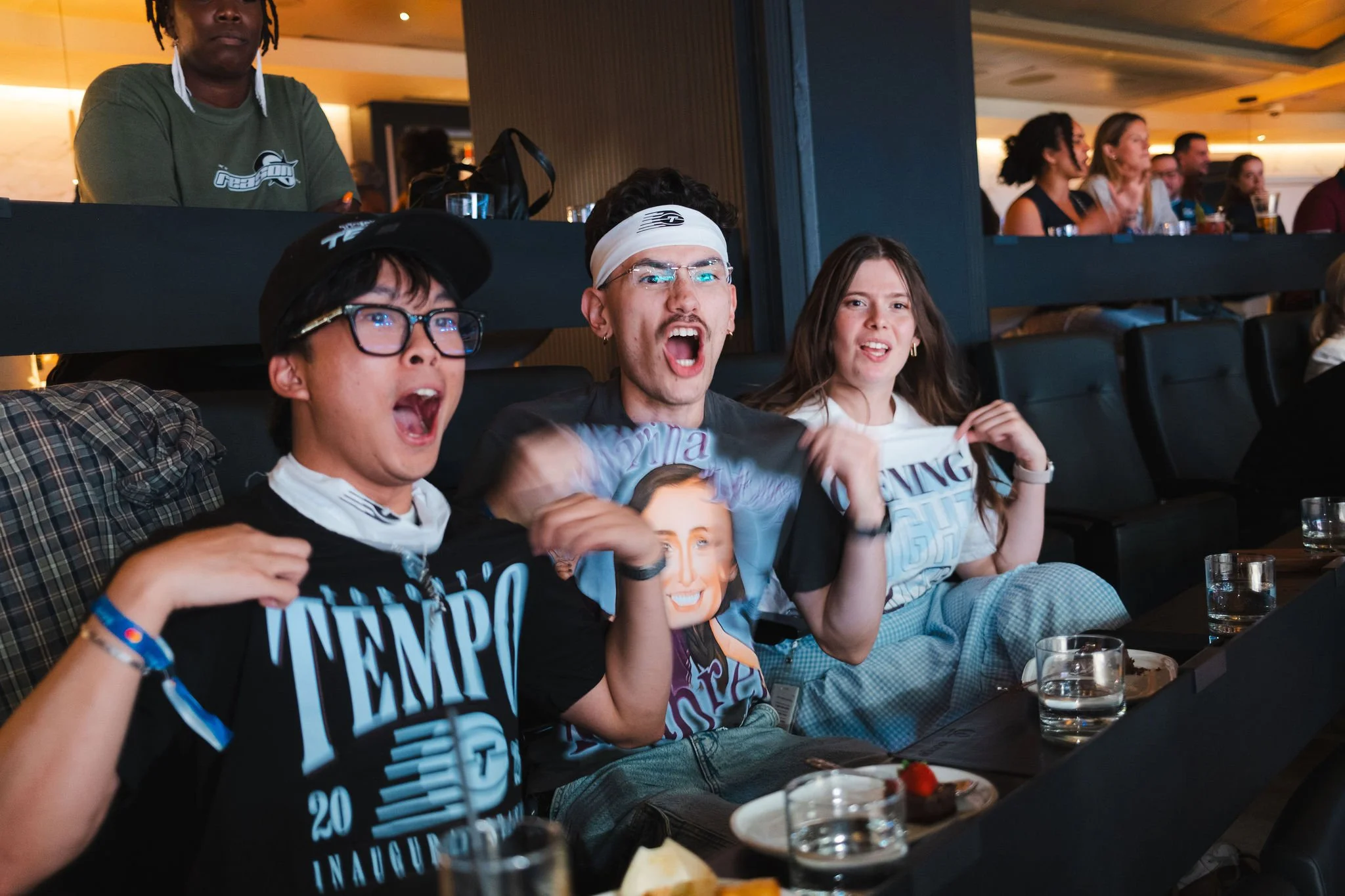
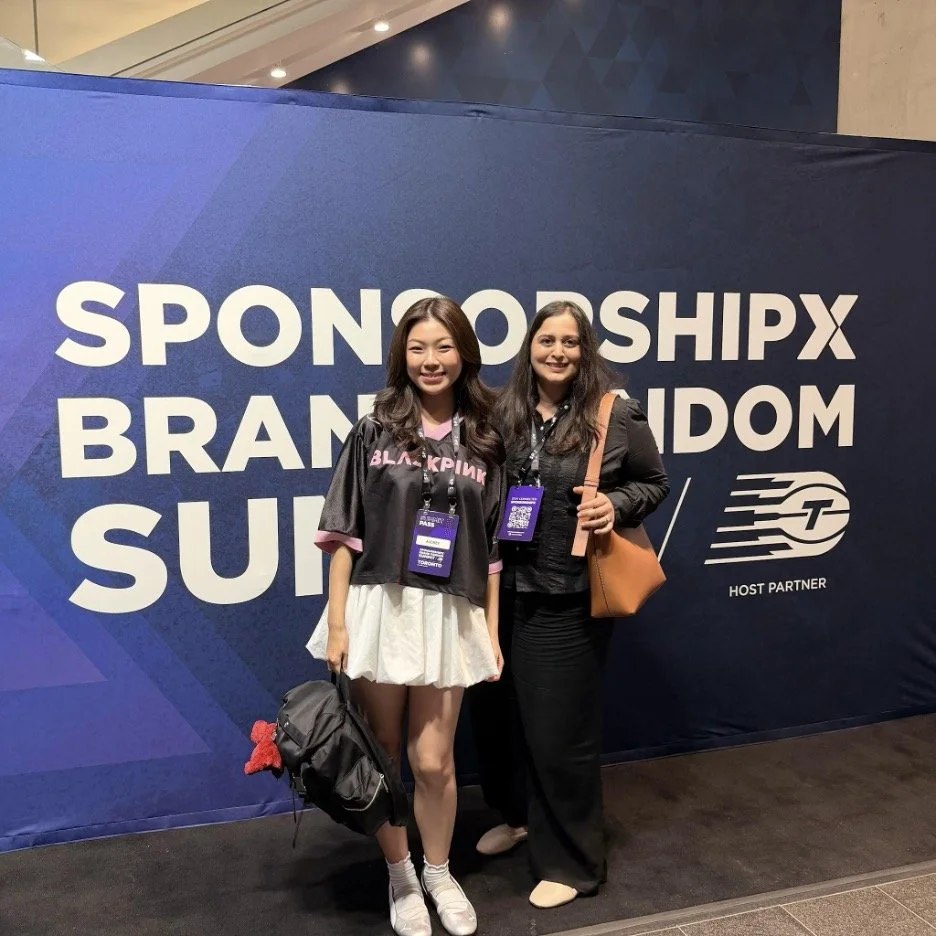
What a day at SPX! To start off, we loved seeing the t-shirts people wore to represent the different fandoms they belonged to. Spice Girls. Toronto Tempo. Stranger Things. Toronto Maple Leafs. BLACKPINK. Diet Coke. Hello Kitty. It was such a fun mix of different worlds converging around a shared sense of passion and belonging. We ended the day at a Toronto Tempo game, where the energy in the arena made many of the conversations from the summit feel tangible. It left us thinking about the questions that kept coming up throughout the day:
What actually makes someone a fan, and what can brands learn from the way fandom grows?
Where Did Fandom Begin?
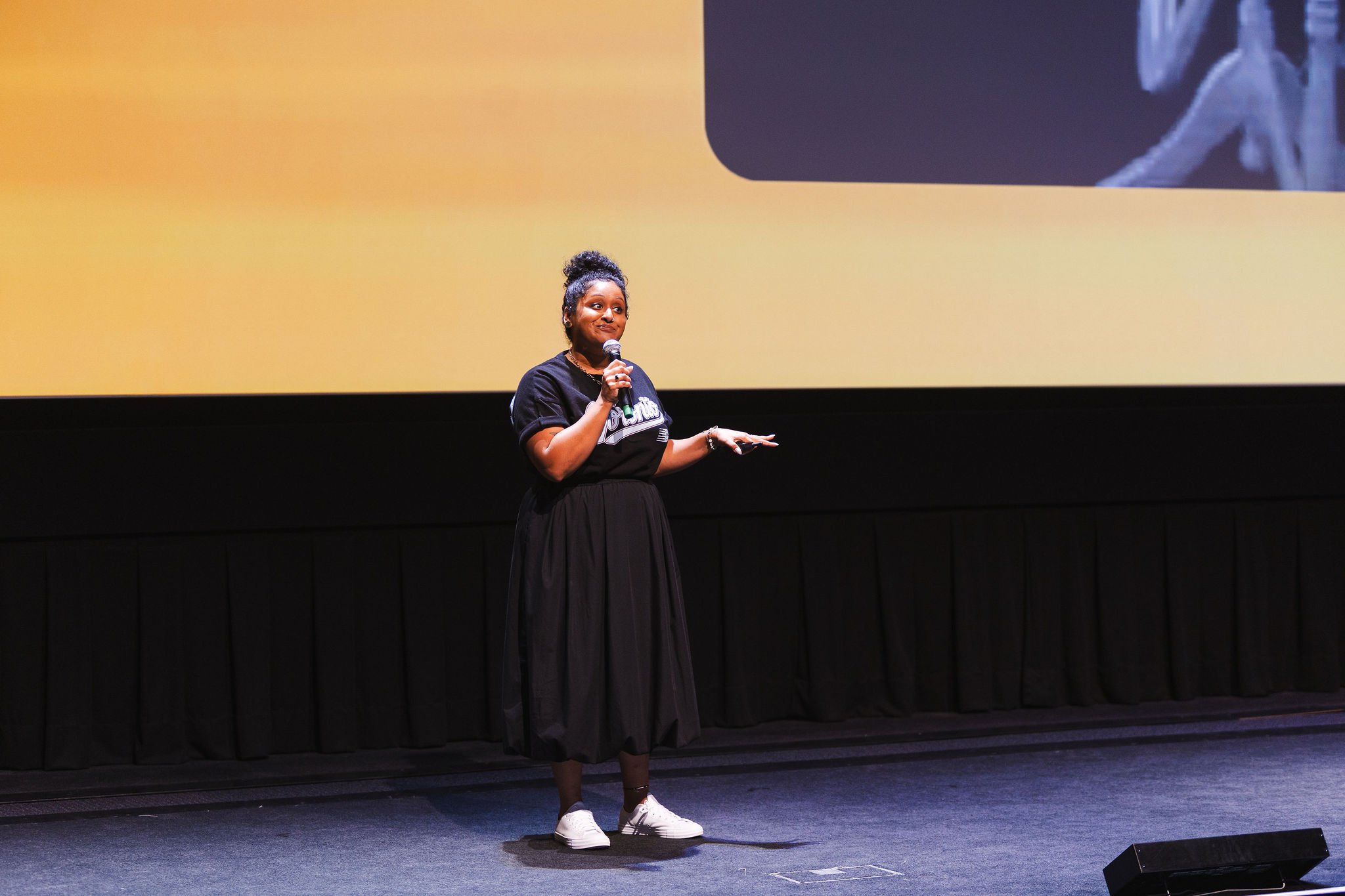
As Nithya Ramachandran (President and CSO, T1) framed it, the word ‘fan’ traces its origins to the Latin fanum, which means temple. It described someone seized by devotion at a place of worship. And ‘dom’ is from kingdom, a place ruled by a king. So a fan-dom, taken literally, is a place ruled by fans.
Fans Are Not Audiences
This leads to the point that Isabelle Bonin (VP Marketing & E-Commerce, Reitmans) made during one of our group discussions:
“You can buy an audience, you can’t buy brand love, that’s what fans bring and it can’t be bought.”
This is why the description of fandom as “identity infrastructure” is so useful. Demographics tell marketers which box someone fits into, but fandom tells us what people actively choose to care about and how they express who they are. For brands, understanding how fans participate can reveal far more than a demographic profile ever could.
So What Makes a Fan?
Mark Harrison (Host, The Convener) expanded our idea of who a fan is. From the Diehard fan driven by rituals and superstition to the Amplifier, who believes sharing the experience is everything. The Fantasizer, who thinks, “That could be me on the screen”; the Changemaker, who channels fandom into a cause; and the Champion, who lifts others up.
How Do Brands Show Up Meaningfully Within Fandoms?
It starts with a clear reason to exist.
Sephora x Tempo was a great example. Their collective ambition through the partnership was to widen the scope of who belongs in beauty and who belongs in sport, and they found a natural connection through individuality, self-expression and belonging.
For Tampax on the other hand, their role was around empowering women and girls in sport by ensuring athletes have the period protection and confidence they need to perform at their best.
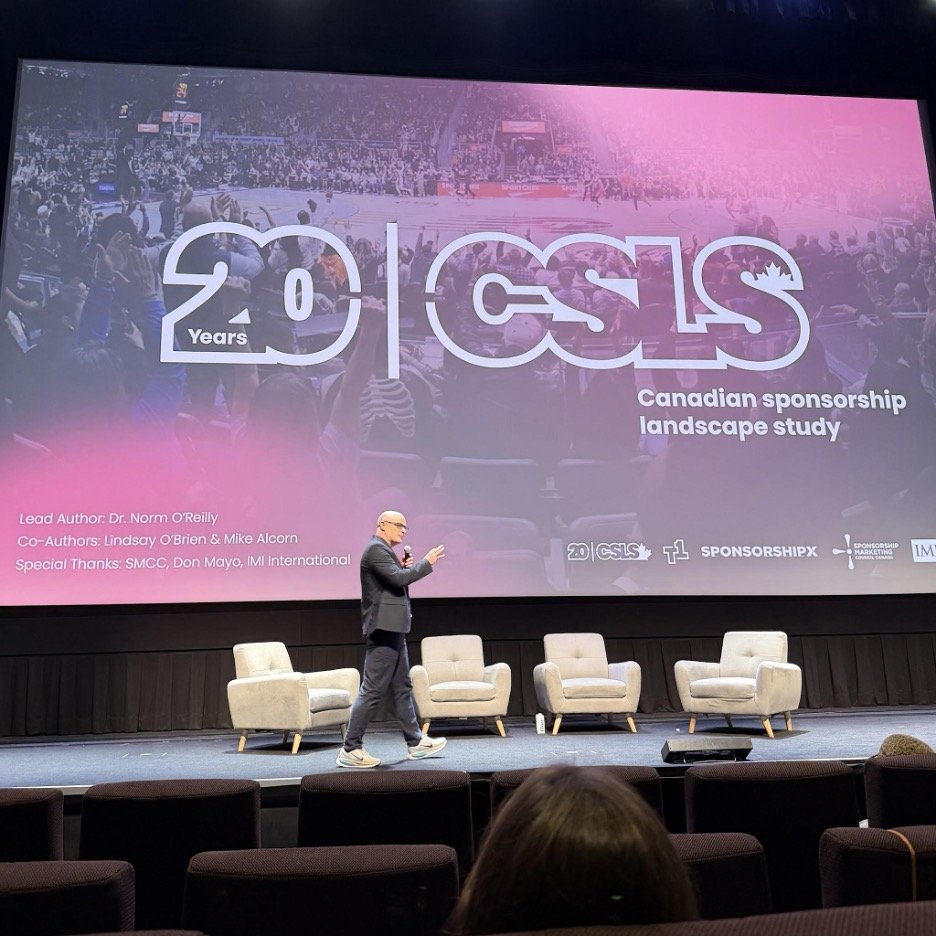
The 20th Annual Canadian Sponsorship Landscape Study also reinforces the importance of this kind of intentionality: as brand leaders face more scrutiny around sponsorship ROI, brands need to be clearer about why they are investing and what they want to achieve.
When you get that right you don’t ‘sponsor’ a fandom, you’re allowed entry into something people feel deeply about.
Fandom Is Belonging
Nithya spoke about the term ‘collective effervescence,’ when a group comes together around something, they share and create an energy none of them could produce alone, that feeling of being lifted into something bigger than themselves. That’s fandom.
It helps people go beyond themselves and belong to something bigger.
One of our favourite examples came from Whitney Bell (Chief Marketing Officer, Toronto Tempo), whose five-year-old was watching a Tempo game and, at the end of it, asked, “Can boys play this game?” He has never known a world in which the WNBA doesn’t exist, and an innocent question made us realize just how special it is to witness the start and growth of the Toronto Tempo fandom.
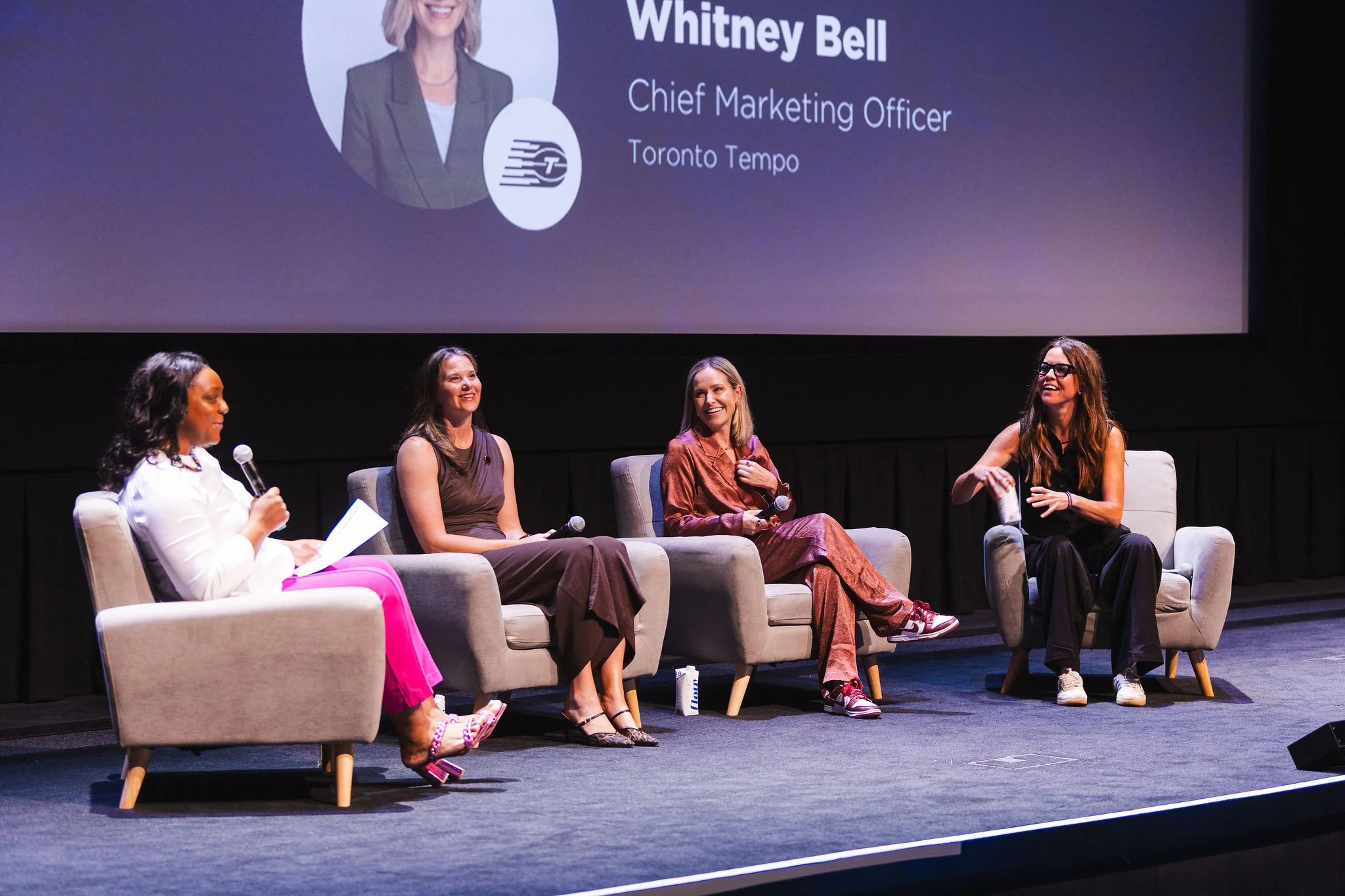
On the contrary, Reetu Gupta (Ambassadress/CEO, The Gupta Group) grew up rarely seeing women playing or even watching sports. When she sees little girls cheering at Tempo games, it reminds her that we’re creating an environment that allows them to imagine themselves as players, coaches and leaders.
Similarly, Monica Wright Rogers (General Manager, Toronto Tempo) spoke about the importance of young people seeing female athletes competing, working hard and wanting to win. Together, these moments show how fandom can shape what people see as possible.
The day ended outside of the summit venue at the Toronto Tempo vs. Indiana Fever game, where we saw the different aspects of fandom truly come to life. We felt the sense of collective effervescence in the arena, we saw brand partners showing up with intentionality and adding to the fan experience, we witnessed a first with the official mascot reveal and saw fans adopting it as theirs in real time, and left knowing that at the heart of fandom is belonging: the feeling that this is ours, these are our people and we’re part of something bigger together.
If you’re thinking about how your brand could show up inside a fandom instead of just advertising to one, that’s a conversation we love having.