
6 Marketing Trends From SXSW That Brands Should Pay Attention To
Author - Nithya Ramachandran and Liz Rose
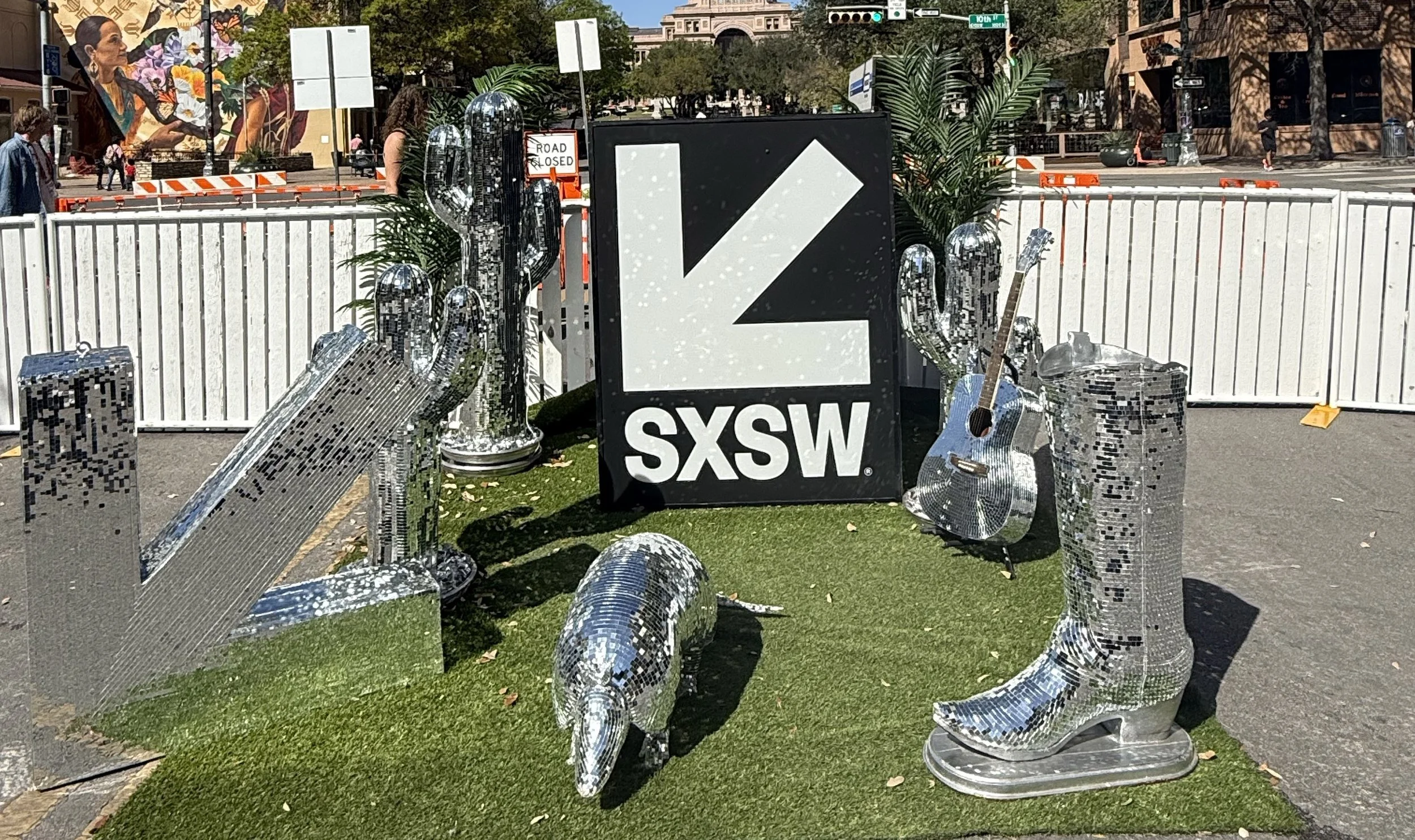
SXSW has always been a place where culture, technology, and creativity collide. But what makes the festival valuable for marketers isn’t just the big announcements. It’s the patterns you start to notice once you walk the streets, step into the activations, and listen to the conversations.
Liz and Nithya spent the week exploring brand experiences across Austin, from large-scale installations to small pop-ups tucked between venues.
Part of what makes SXSW unique is that many of these experiences happen adjacent to the official programming. Brands create moments around the festival, tapping into the concentration of creative, tech, and cultural leaders already in town.
Once you start moving through the city, a few patterns become clear.
Some were surprising. Some confirmed instincts we’ve been seeing in our work. All of them have implications for how brands design experiences moving forward.
TL;DR
Photo booths remain one of the most effective experience formats, with evolving content formats driving shareability and memory.
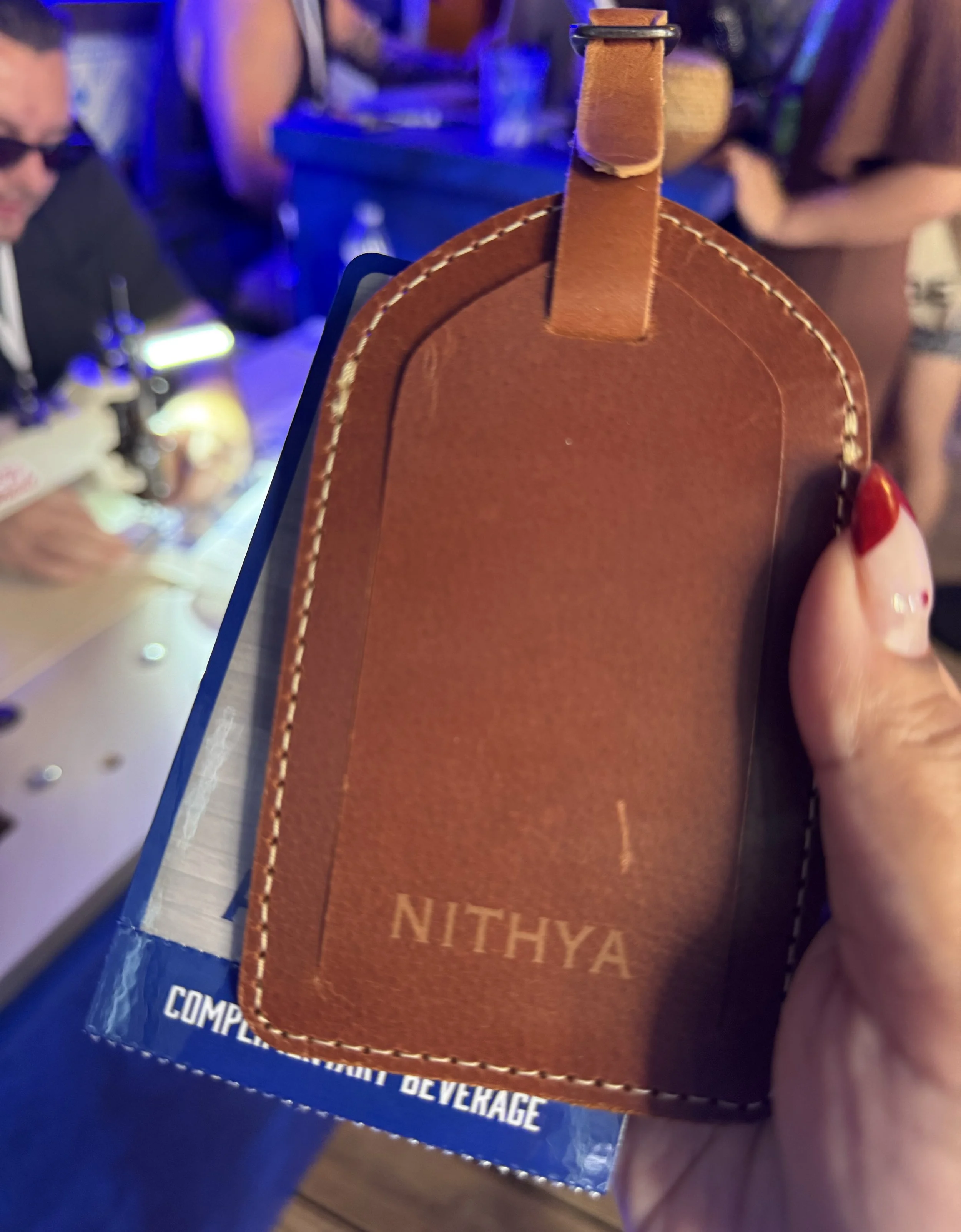
Personalization is exploding through tactile customization like embroidery and engraving.
Brands are shifting away from high-tech spectacle toward physical sets and staging.
Strong themes and worlds make experiences more memorable.
AI dominates conversation, but its value may live behind the scenes rather than in final creative output.
Authenticity and human storytelling are becoming more important in an algorithm-driven world.
1. Photo Booths Aren’t Going Anywhere
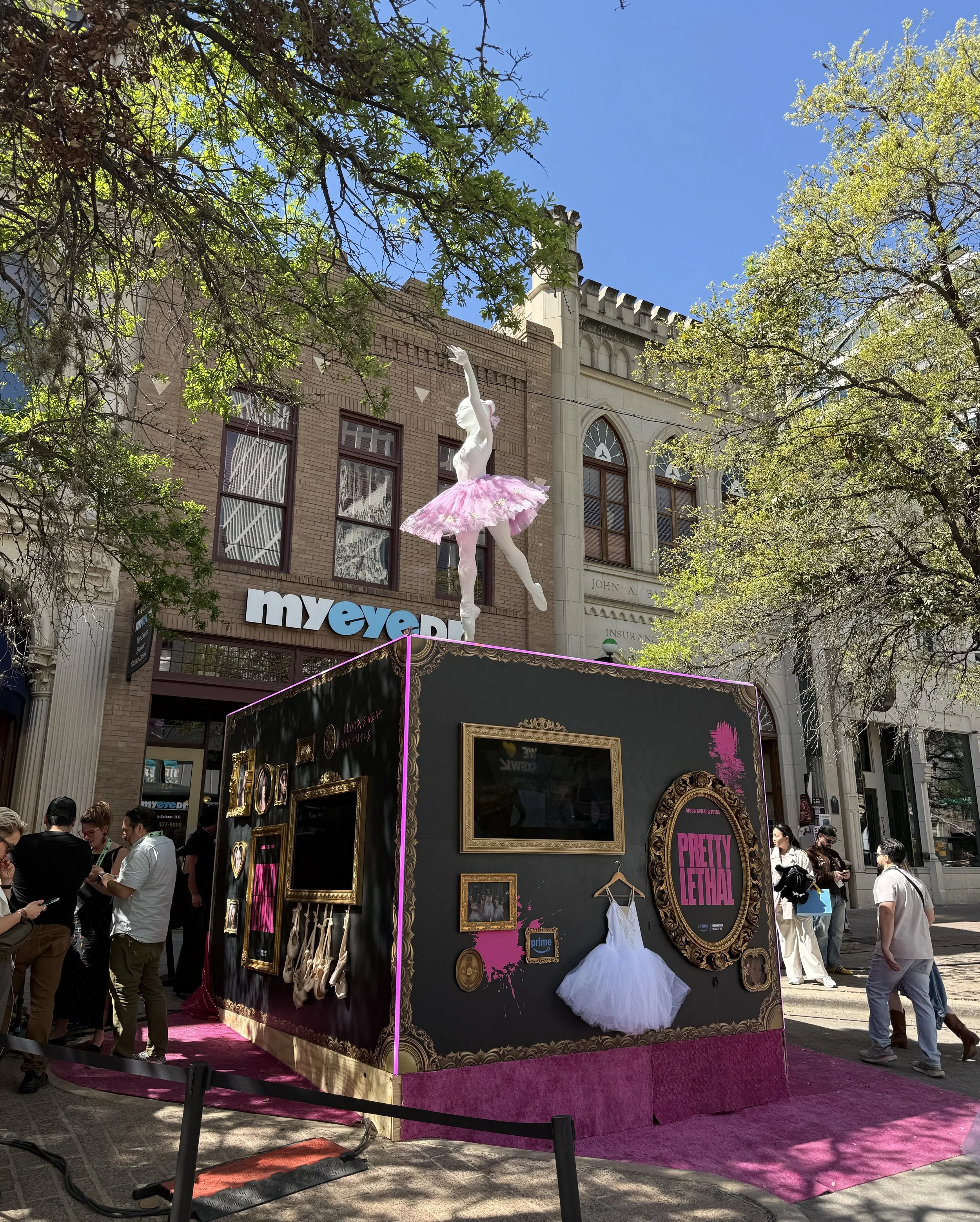
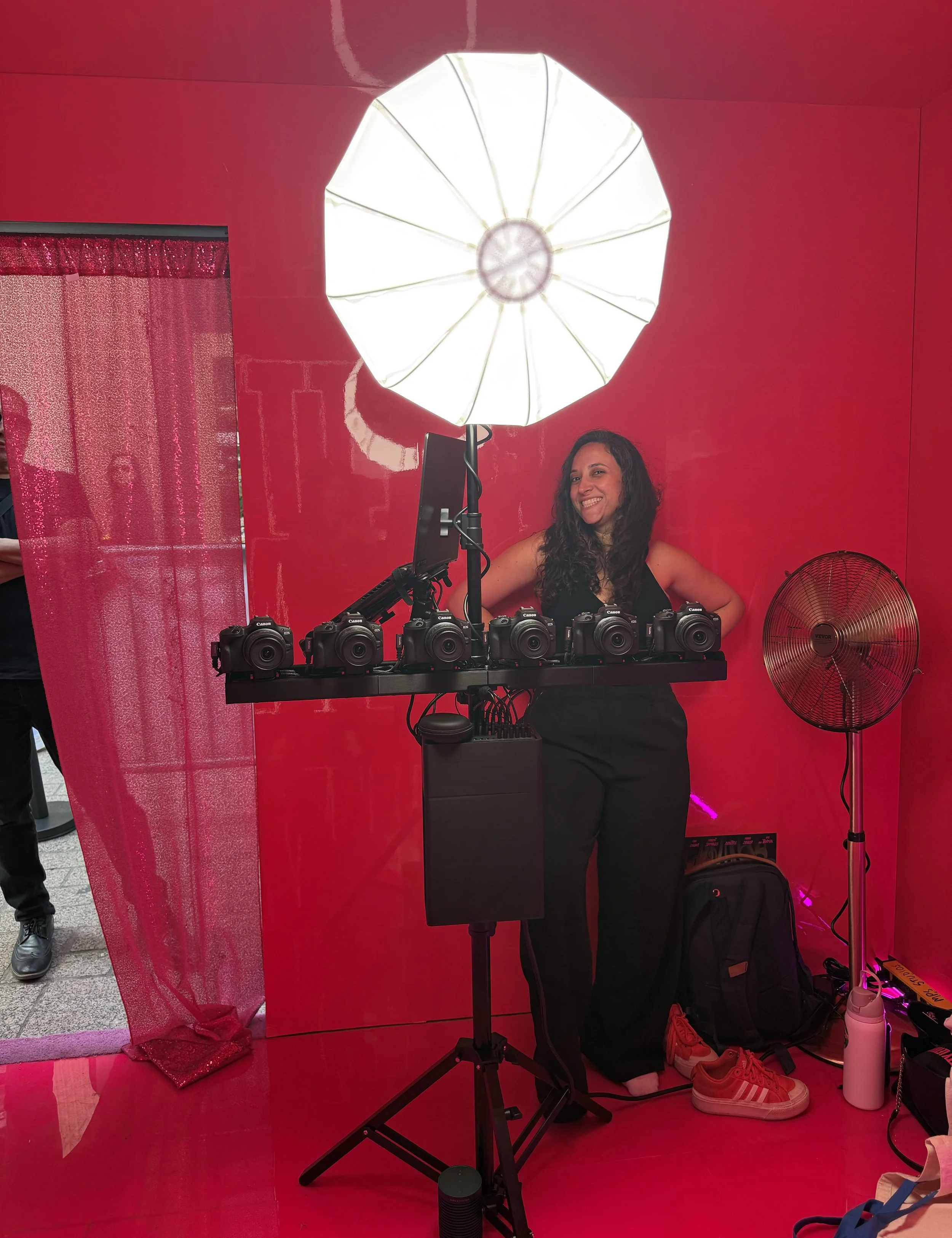
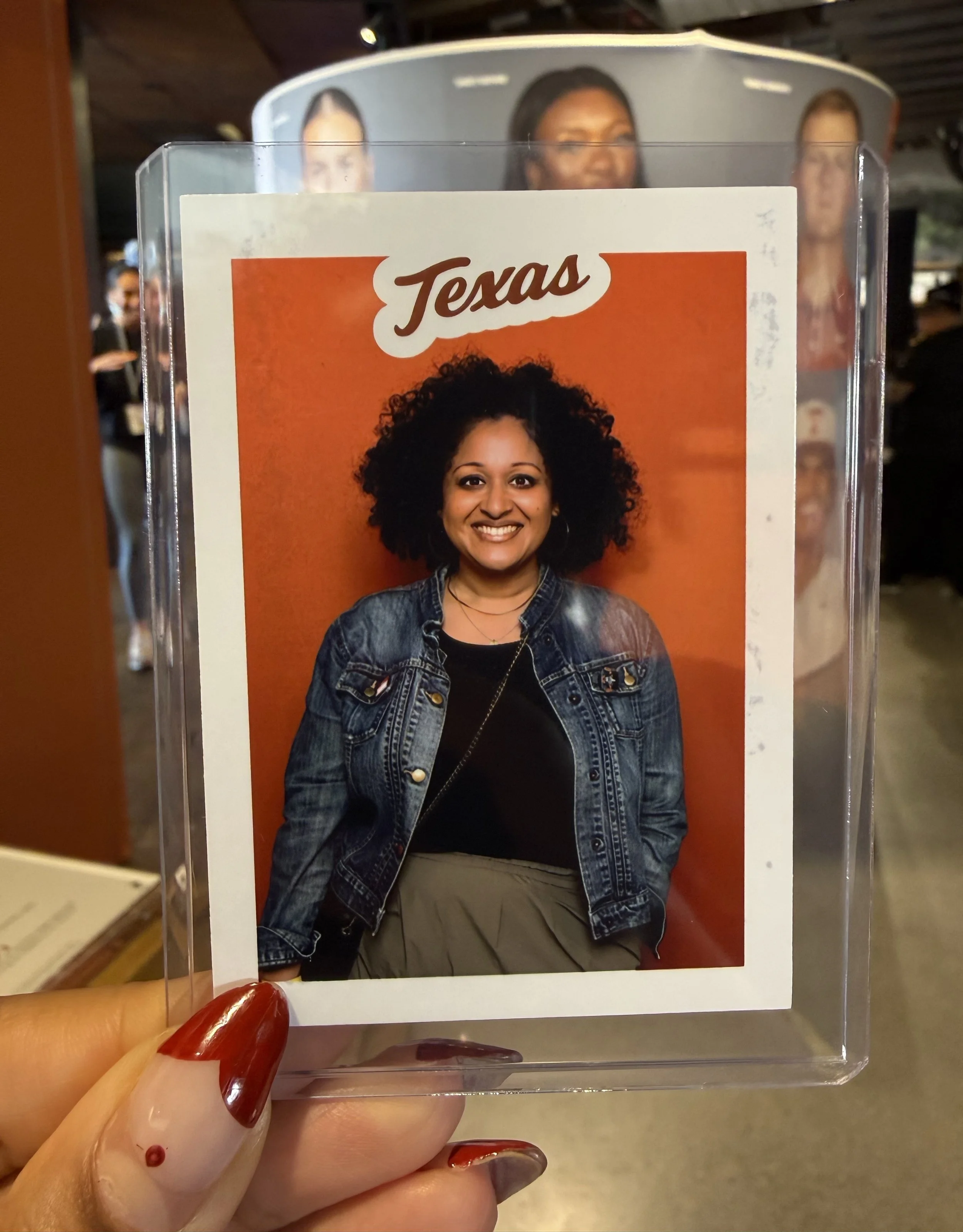
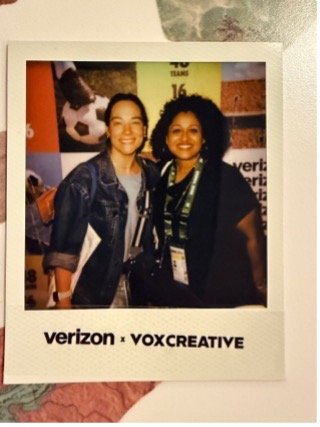
Photo booths were everywhere at SXSW. Not just simple snapshots, but sophisticated formats like 3D camera arrays and immersive setups that capture movement and personality.
But the real lesson wasn’t the technology. It was the execution. The best booths created a full experience. The staging mattered. The props mattered. The physical takeaway mattered.
Brands are also playing with content formats in interesting ways. Yes, the classic photo still works. But we also saw printouts slipped into plastic sleeves to create player-card style keepsakes, animated GIFs, and short-form videos ranging from three to twenty seconds.
Each format creates something people can either share immediately or keep as a physical artifact.
That combination is powerful. A good booth doesn’t just capture a moment. It creates a memory people take with them.
2. Personalization Is Exploding (And It’s About Identity)
If there was one theme that showed up across activations, it was personalization.
But not in the AI-driven sense many marketers talk about. This was physical, tactile, and immediate.
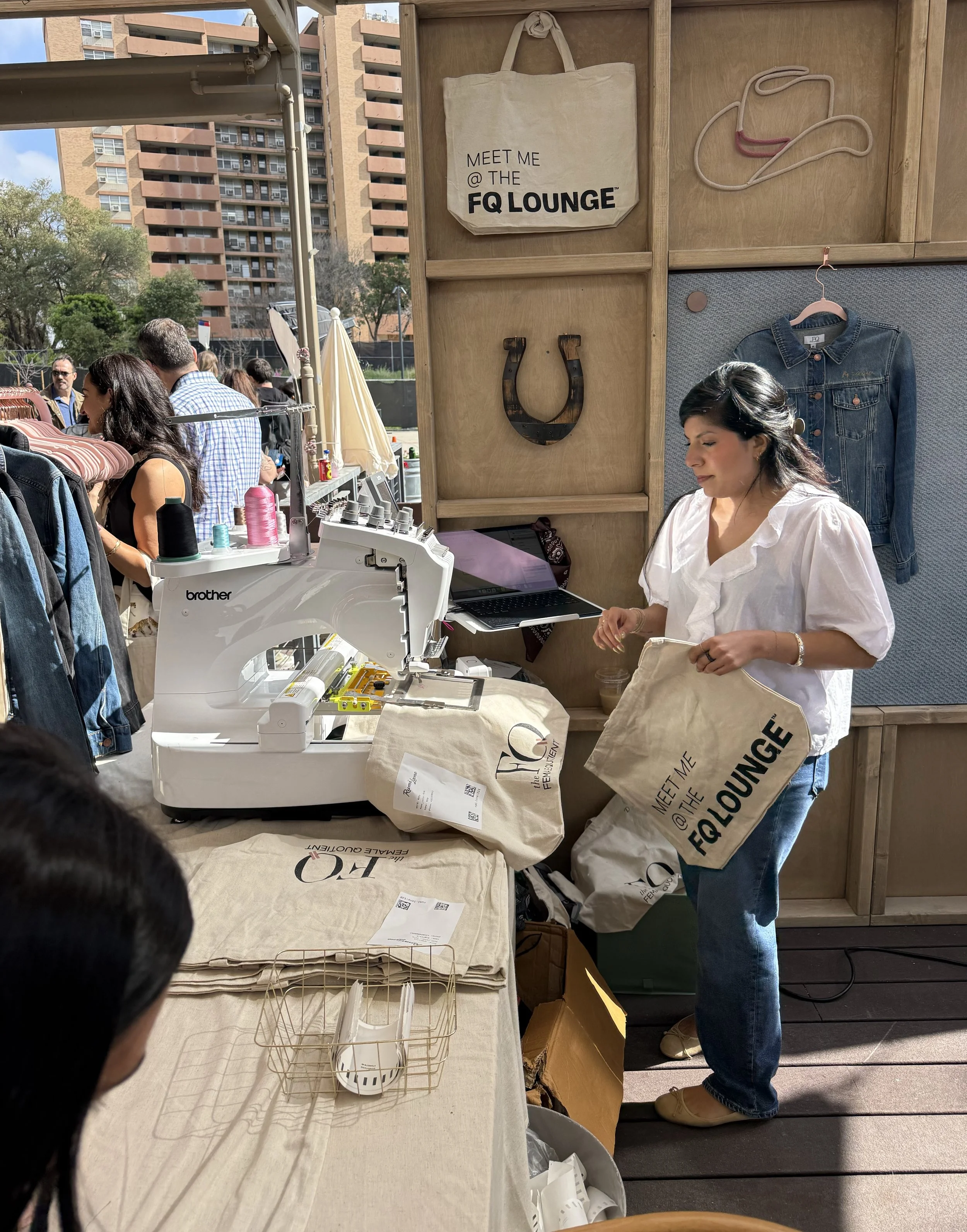
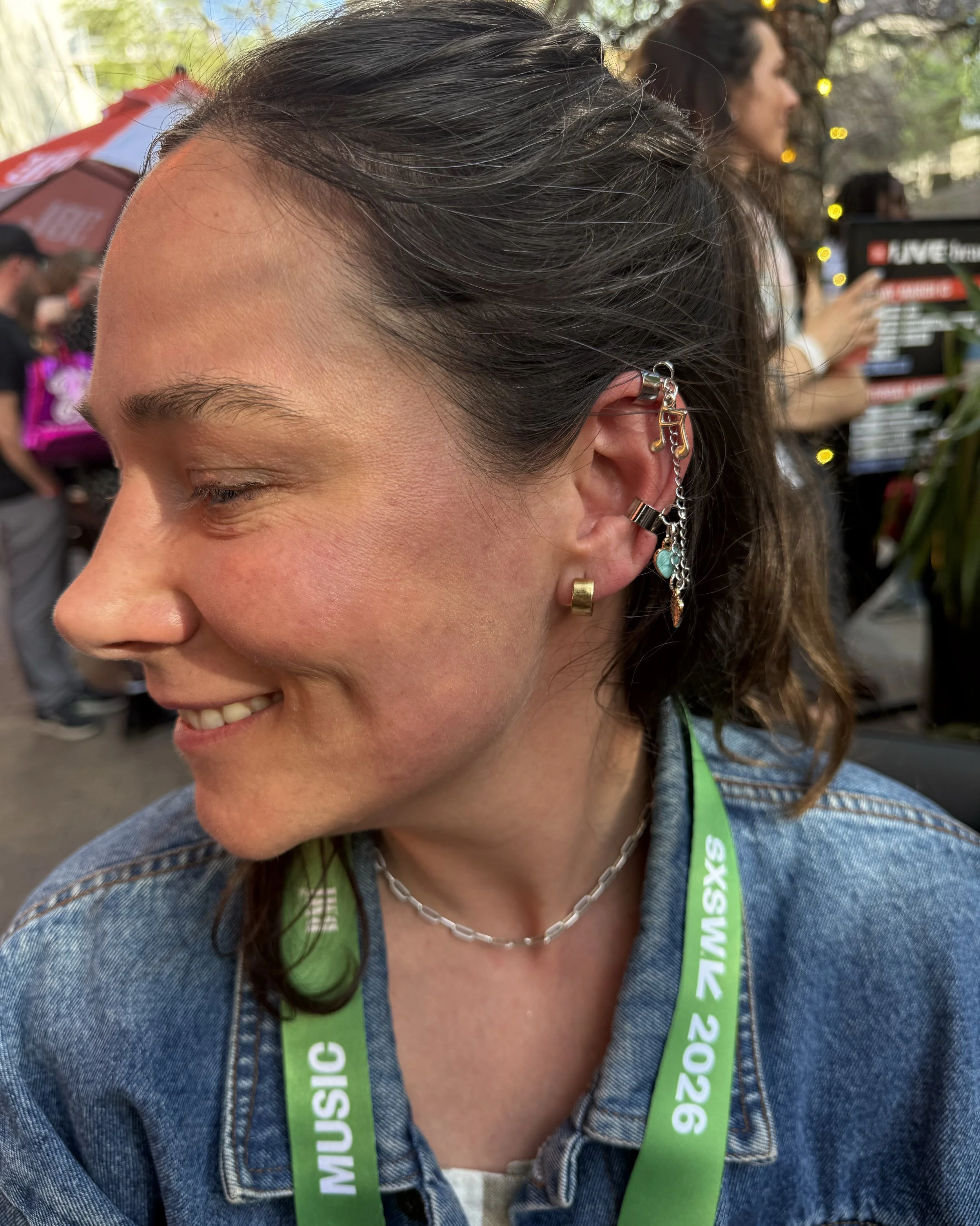
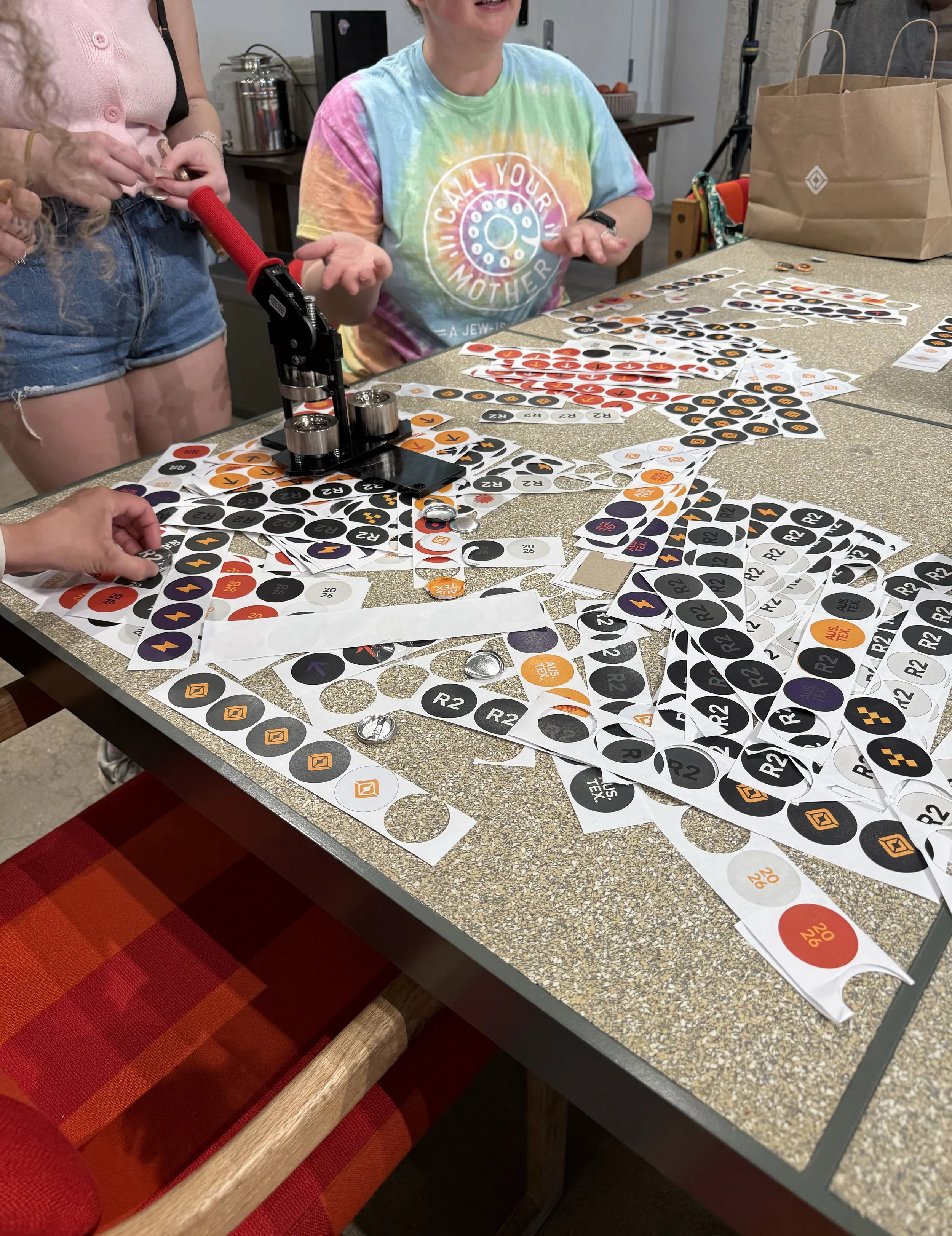
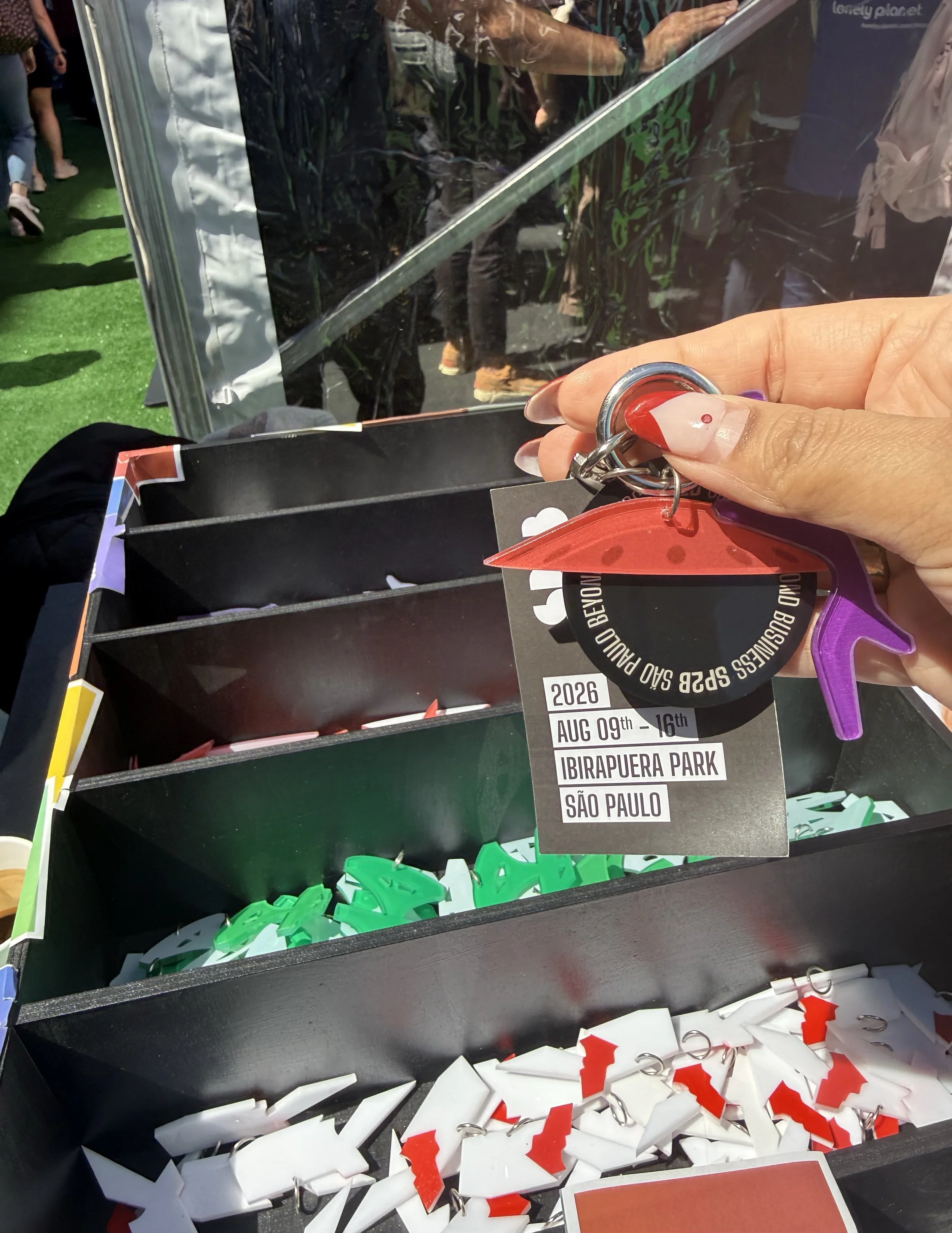
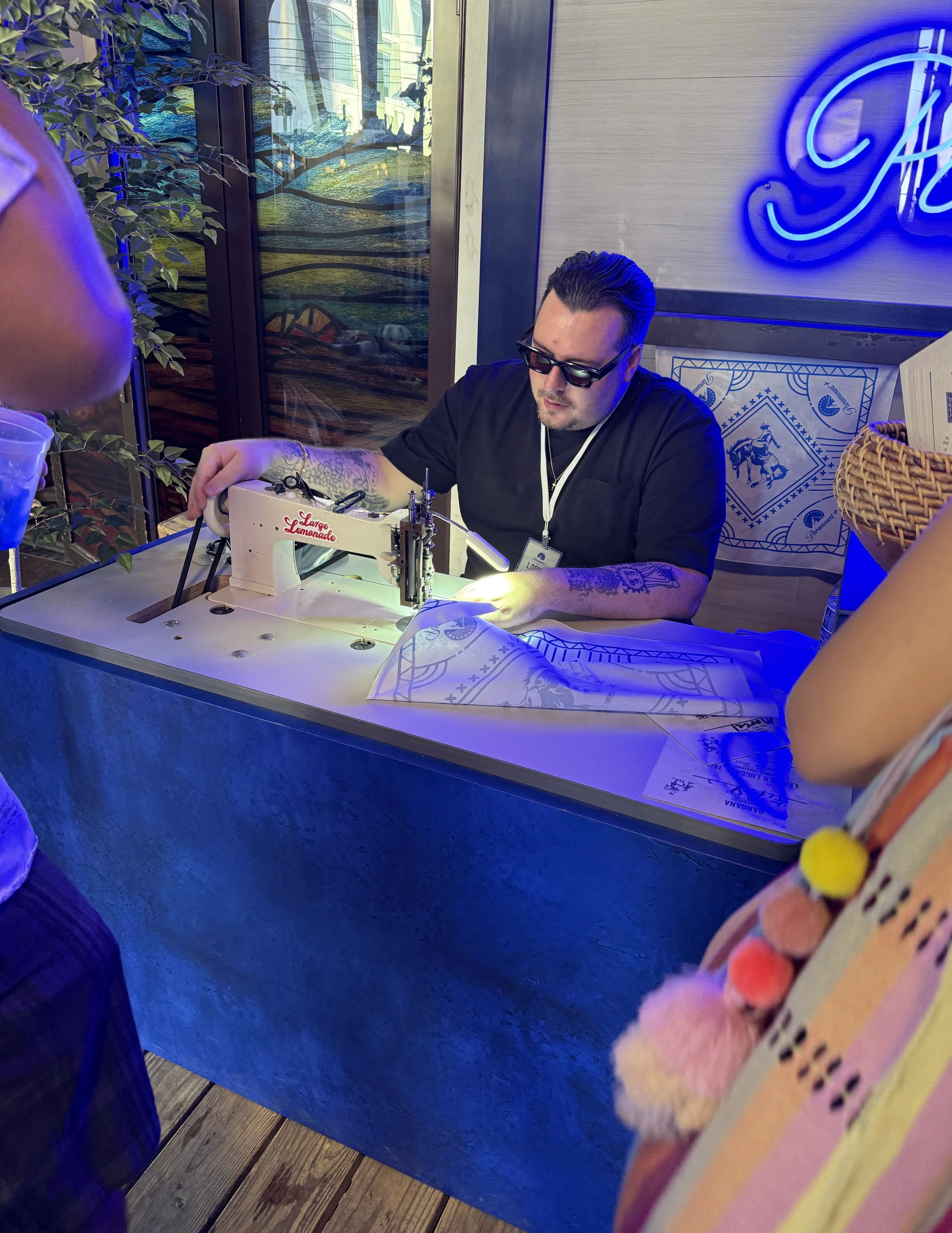
Embroidery stations. Laser engraving. Screen printing. Custom keychains and bag charms.
People waited in line to customize items because the process itself became part of the experience. Watching something made specifically for you creates emotional investment.
What’s really happening here is a shift from designing for volume to designing for identity. People don’t opt into experiences because of the prize alone. They opt in because the experience says something about who they are.
That’s why we’re seeing a rise in micro-identity objects. Bag charms and collectibles aren’t just merch. They signal membership. They say: I was here. This mattered to me.
In a world saturated with digital content, physical personalization feels special again. Not because it is new, but because it gives people something they can hold onto, both literally and emotionally.
3. The Return of Tactile Experiences
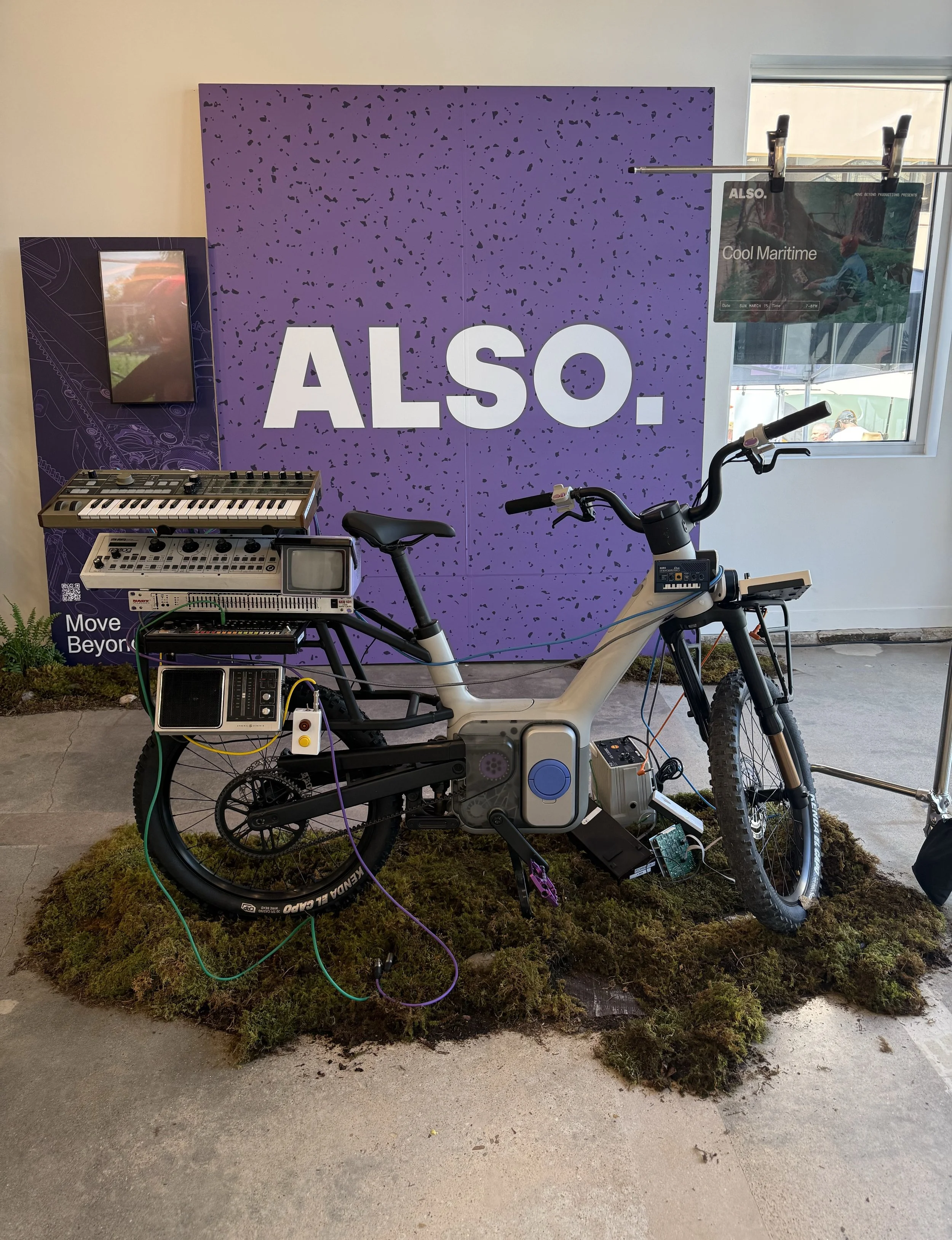
One of the most interesting shifts at SXSW was the move away from overly technological experiences.
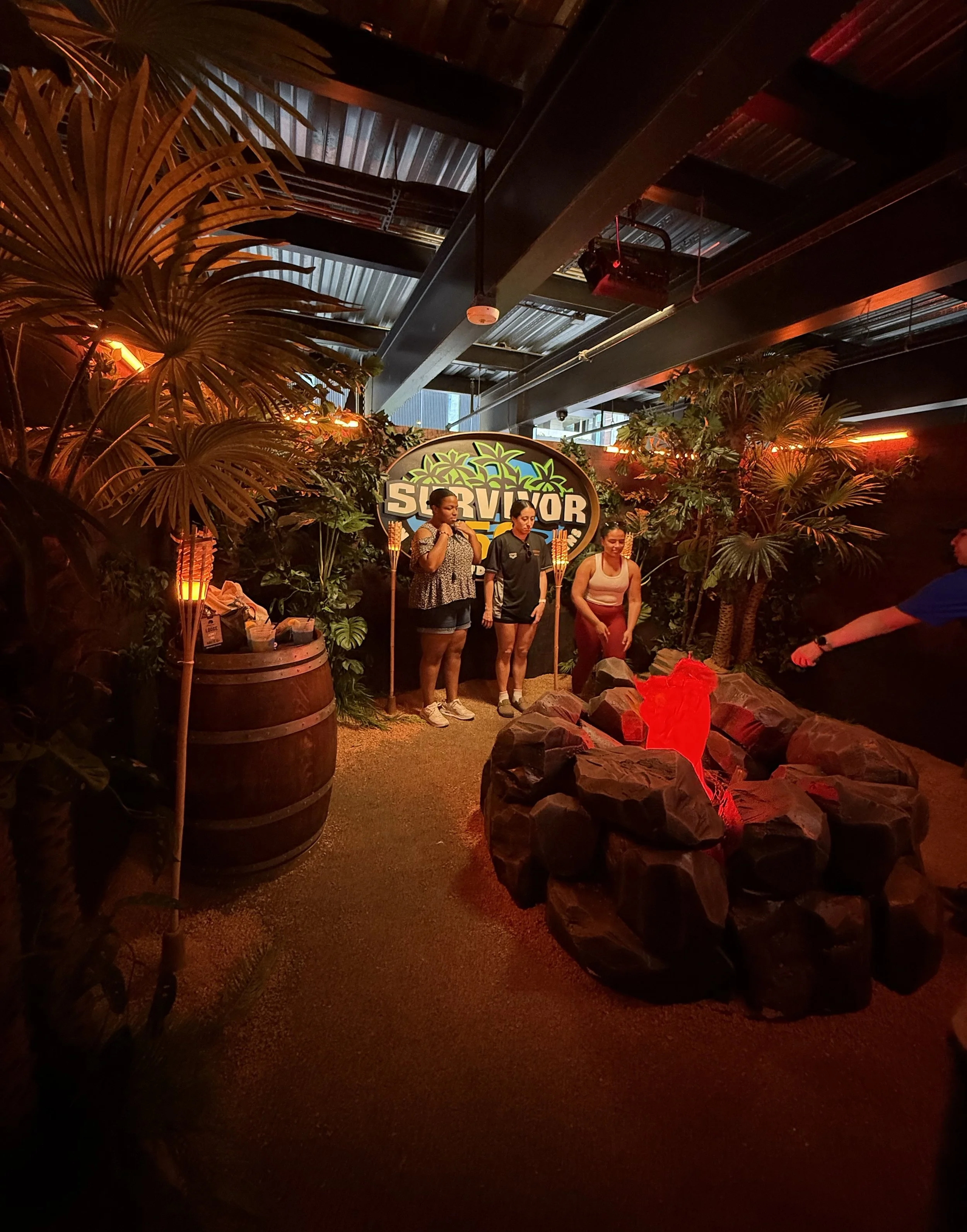
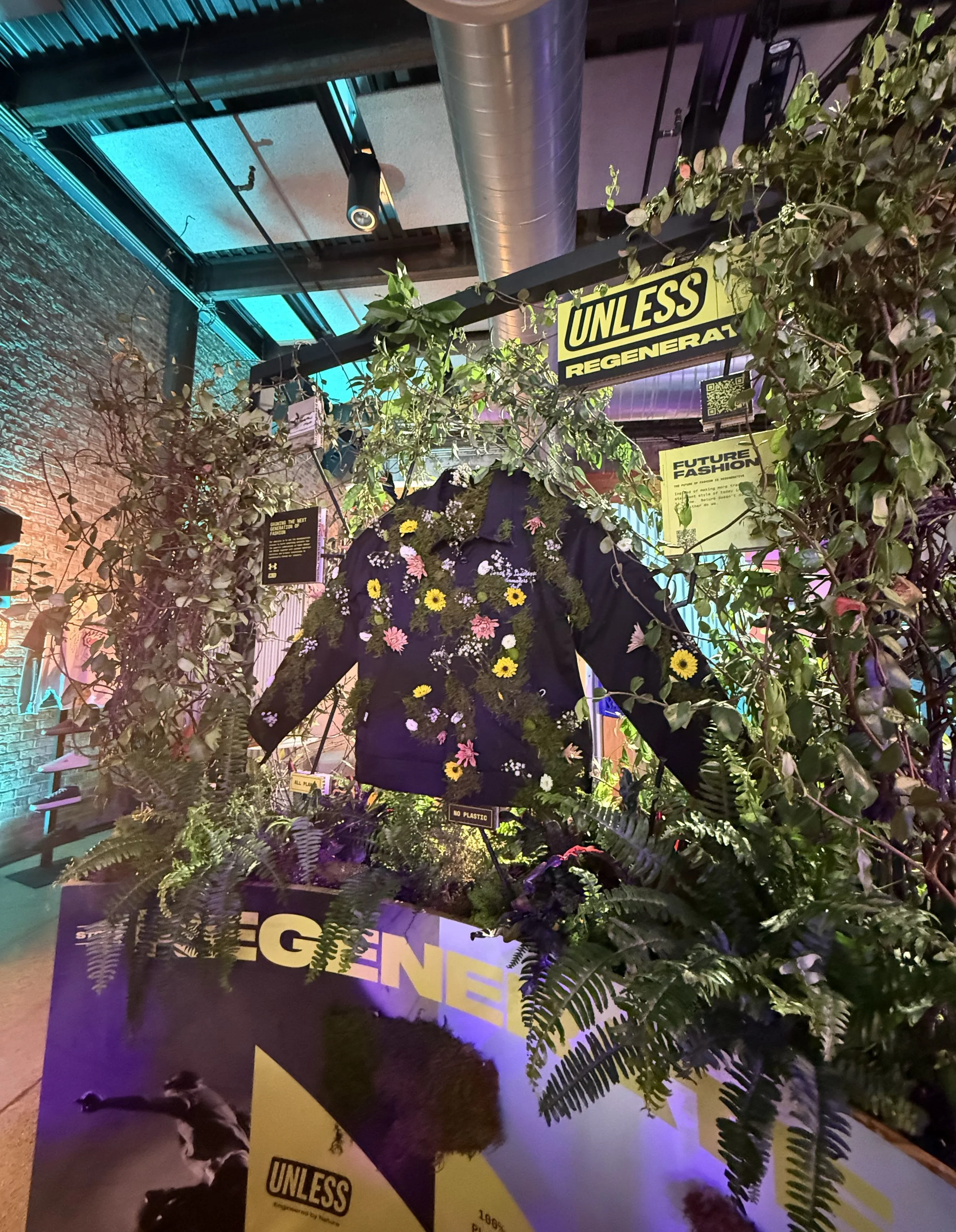
Instead of screens and complex interfaces, many activations leaned into staging and physical sets. Carefully designed rooms. Vignettes. Spaces that felt like stepping into a story.
This shift highlights something important. Place is not just a backdrop. It shapes how people behave.
Every environment carries its own signals. How much time people have. How open they are. What kind of interaction feels natural. When brands design with that in mind, the experience feels intuitive instead of forced.
This approach does two things well.
First, it photographs beautifully, which matters in an environment driven by social sharing. Second, it creates immersion without requiring visitors to learn new technology.
Sometimes the most powerful experience design is not more tech. It is a clear idea, executed well, in the right place.
4. Everyone Loves a Theme
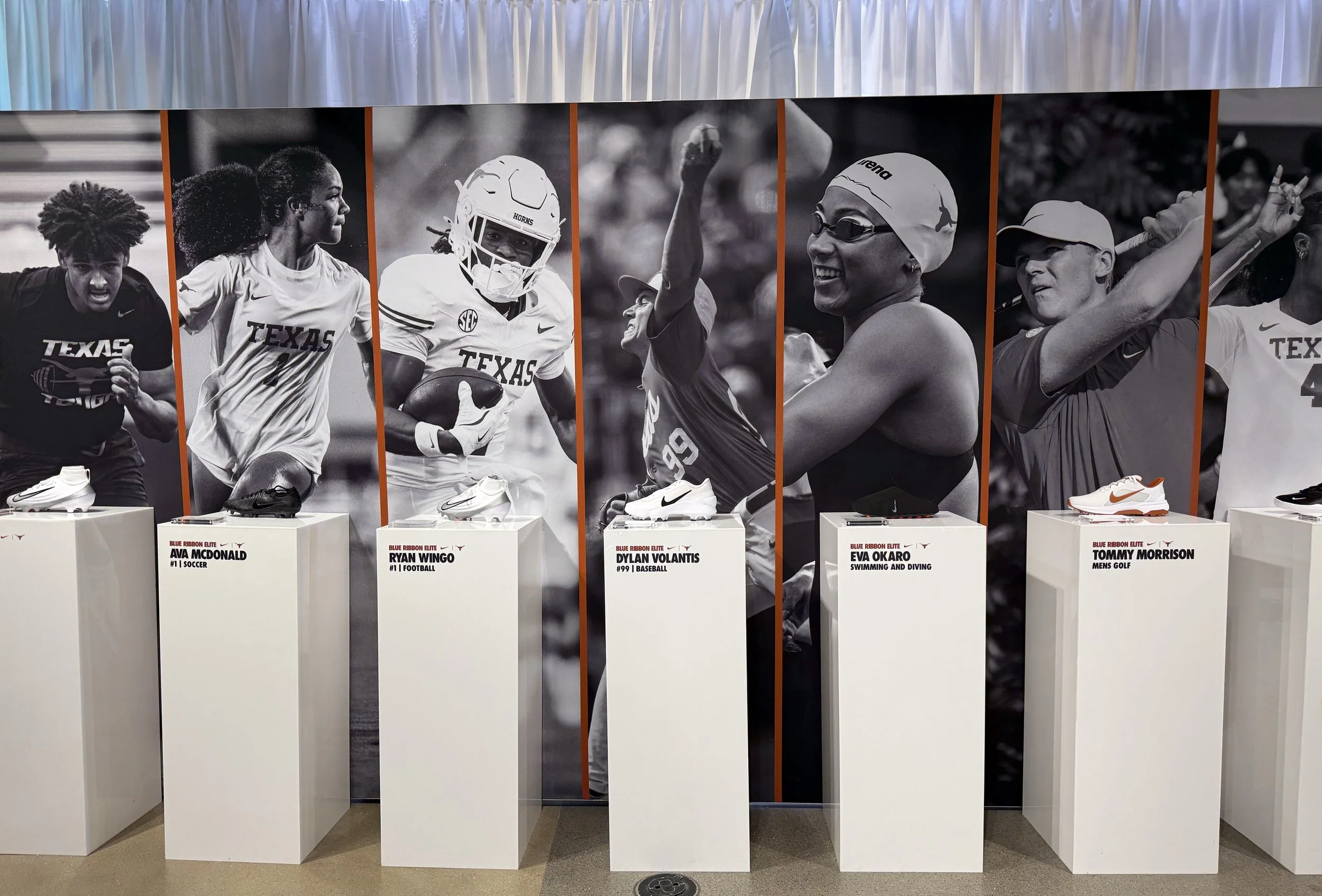
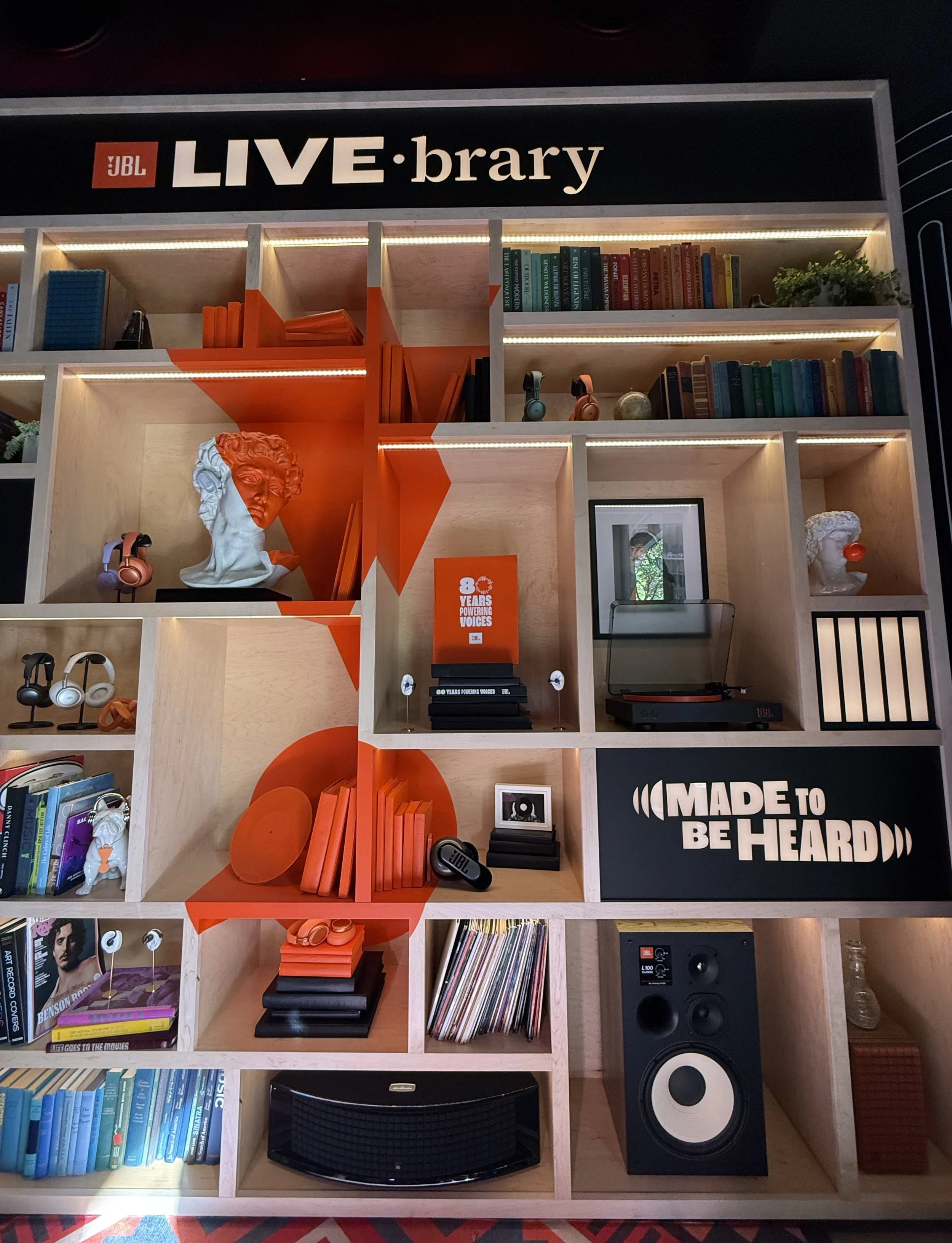
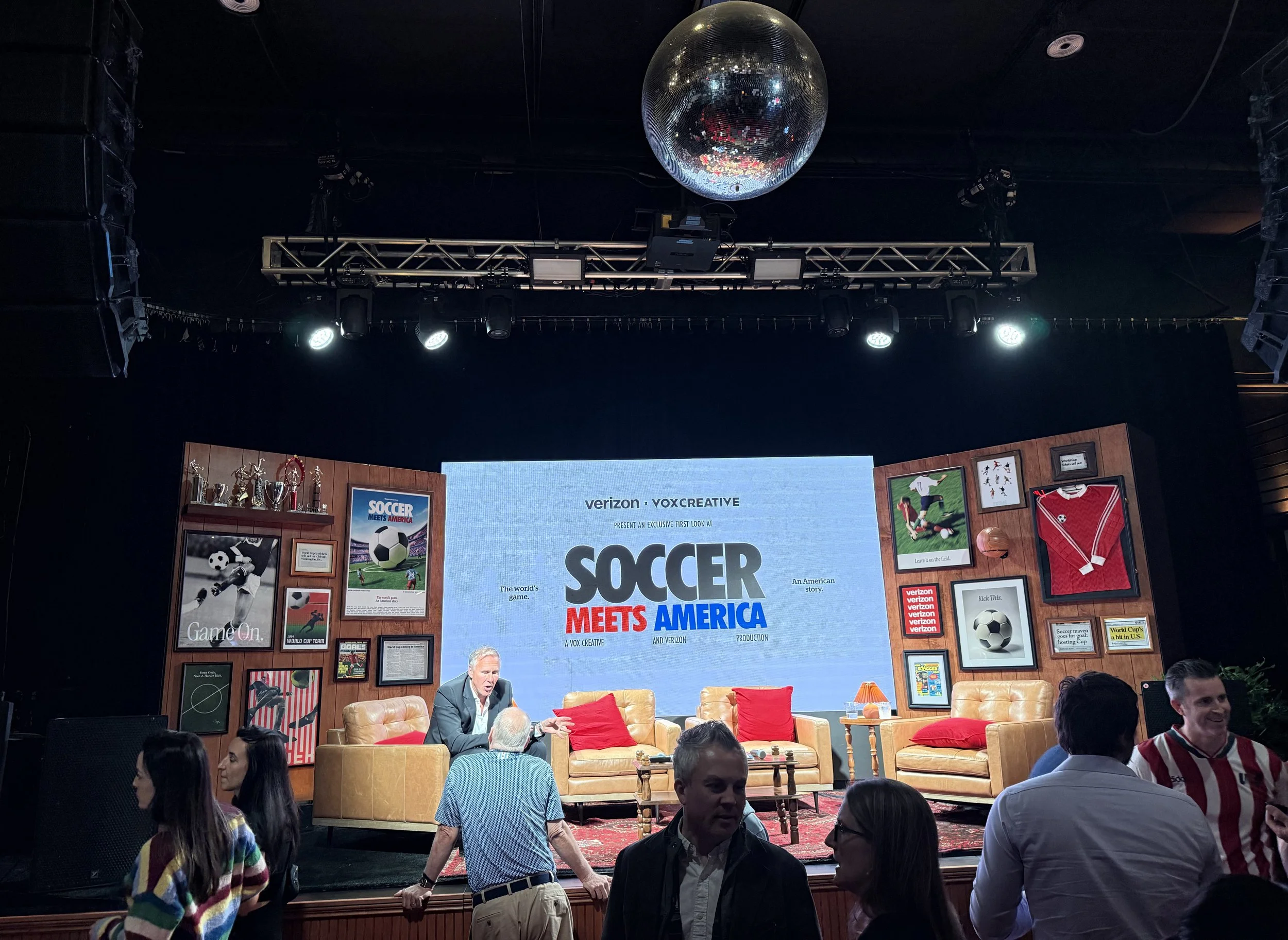
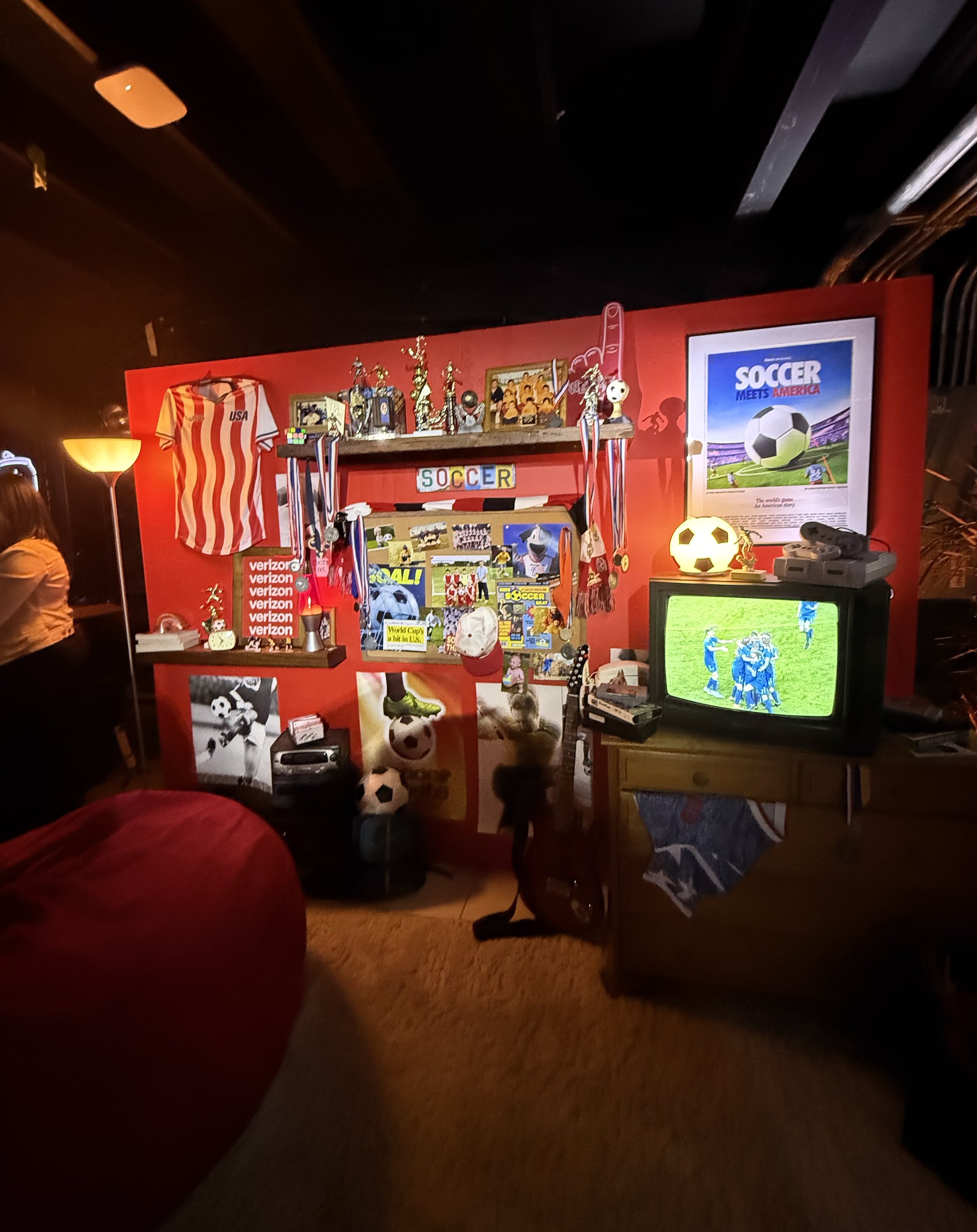
The activations that stood out most had a strong theme or narrative.
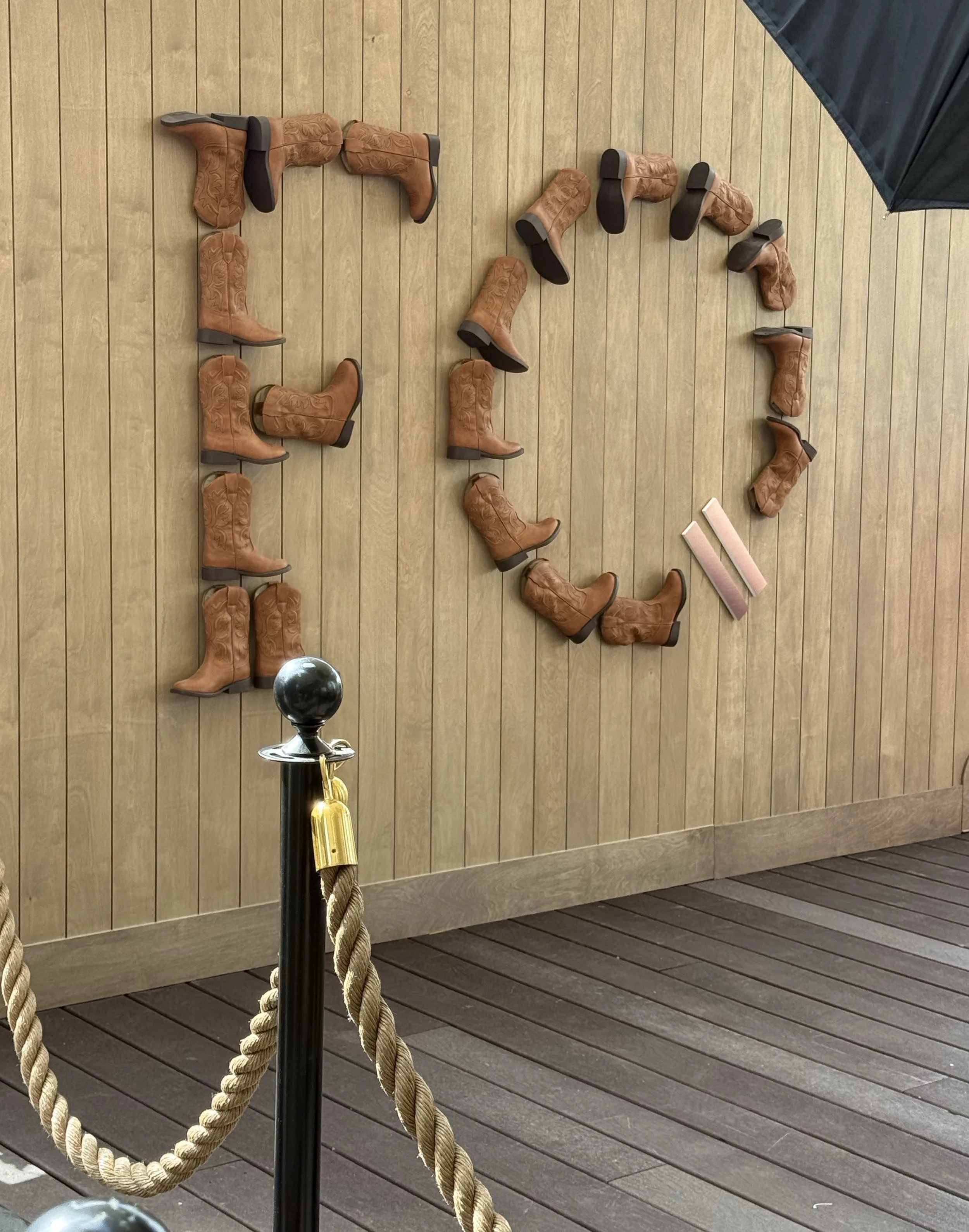
JBL transformed a space into a library-inspired experience. Paramount+ leaned fully into country culture to promote their shows Marshalls and Landman. VOX tapped into soccer nostalgia.
Themes work because they give audiences a world to step into.
When brands commit to a concept and execute it fully, the experience becomes more memorable, more shareable, and more culturally resonant.

5. AI Is Everywhere, But Not Where You Think
AI dominated conversations at SXSW. Panels, demos, and brand messaging were full of it.
But the most interesting perspective came from Krista Dalton, Chief Marketing and Digital Officer, Tecovas, the boot company, who compared their approach to how their products are made: handcrafted, with humans deeply involved in the process.
That framing reflects a broader shift.
AI may transform the back end of marketing, from data analysis to operational efficiency. But the most powerful storytelling still feels human.
The future may not be AI replacing creativity. It may be AI quietly enhancing how creative work gets delivered.
6. Authentic Voices Matter More Than Ever
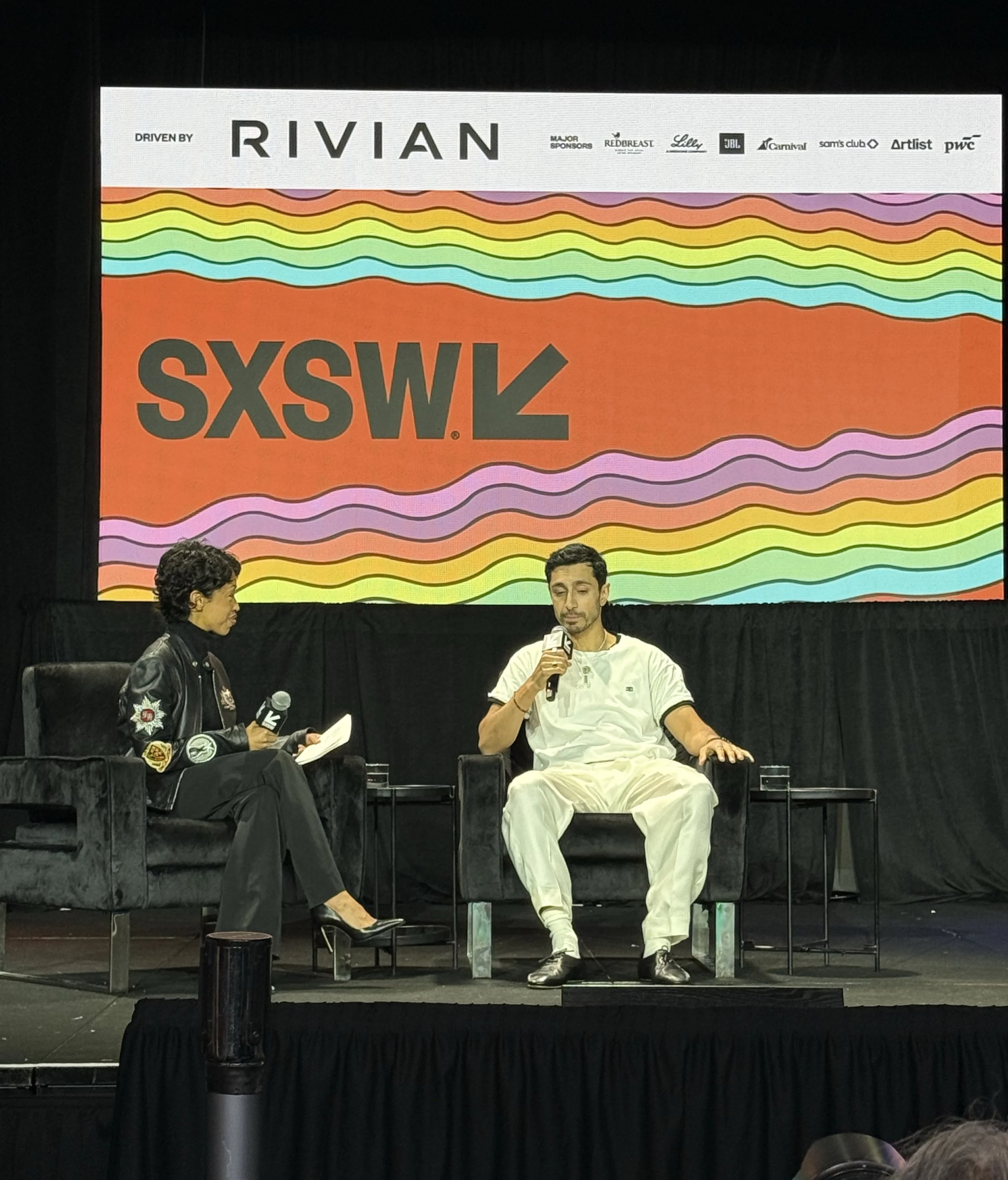
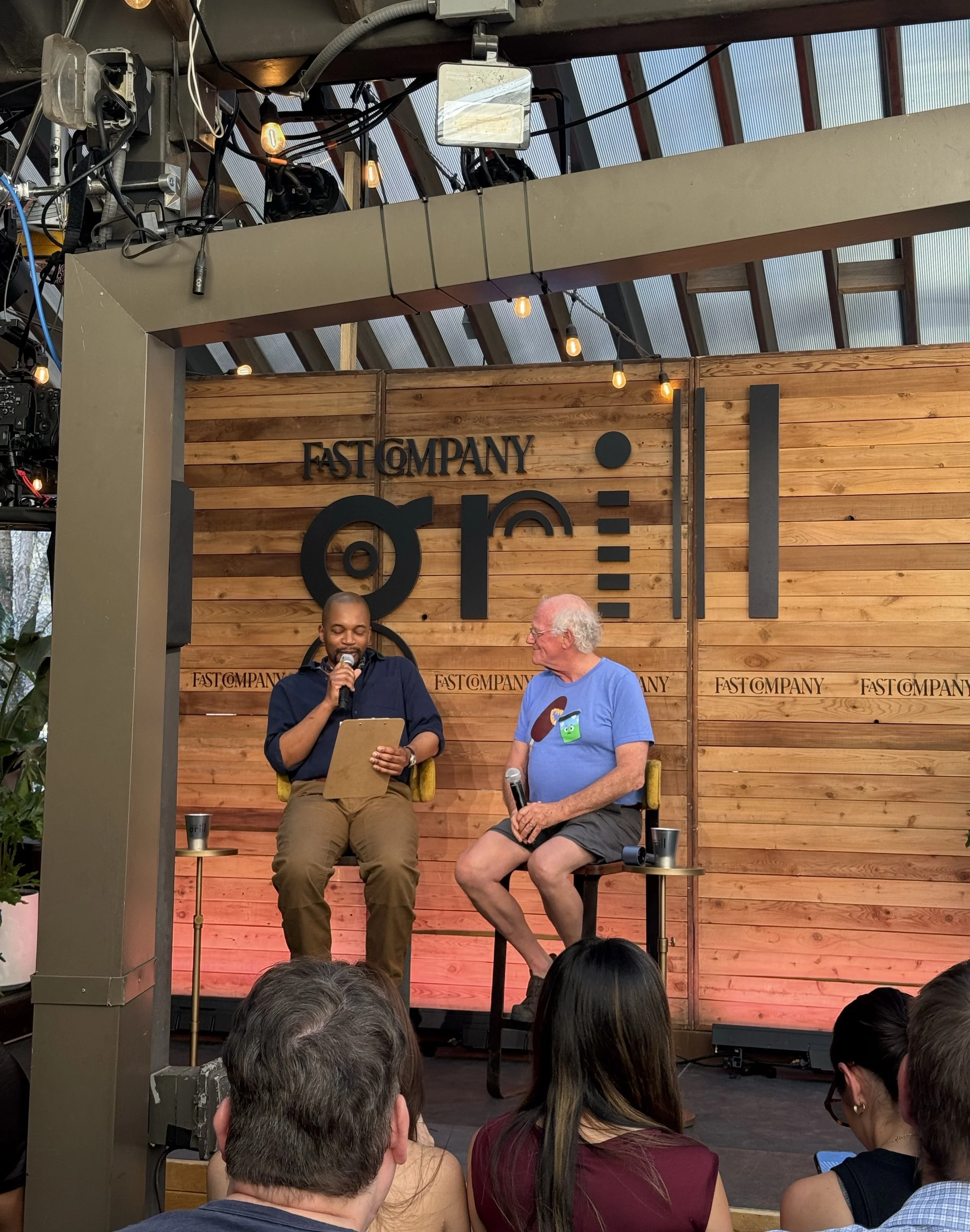
Several conversations at SXSW reinforced a broader cultural shift.
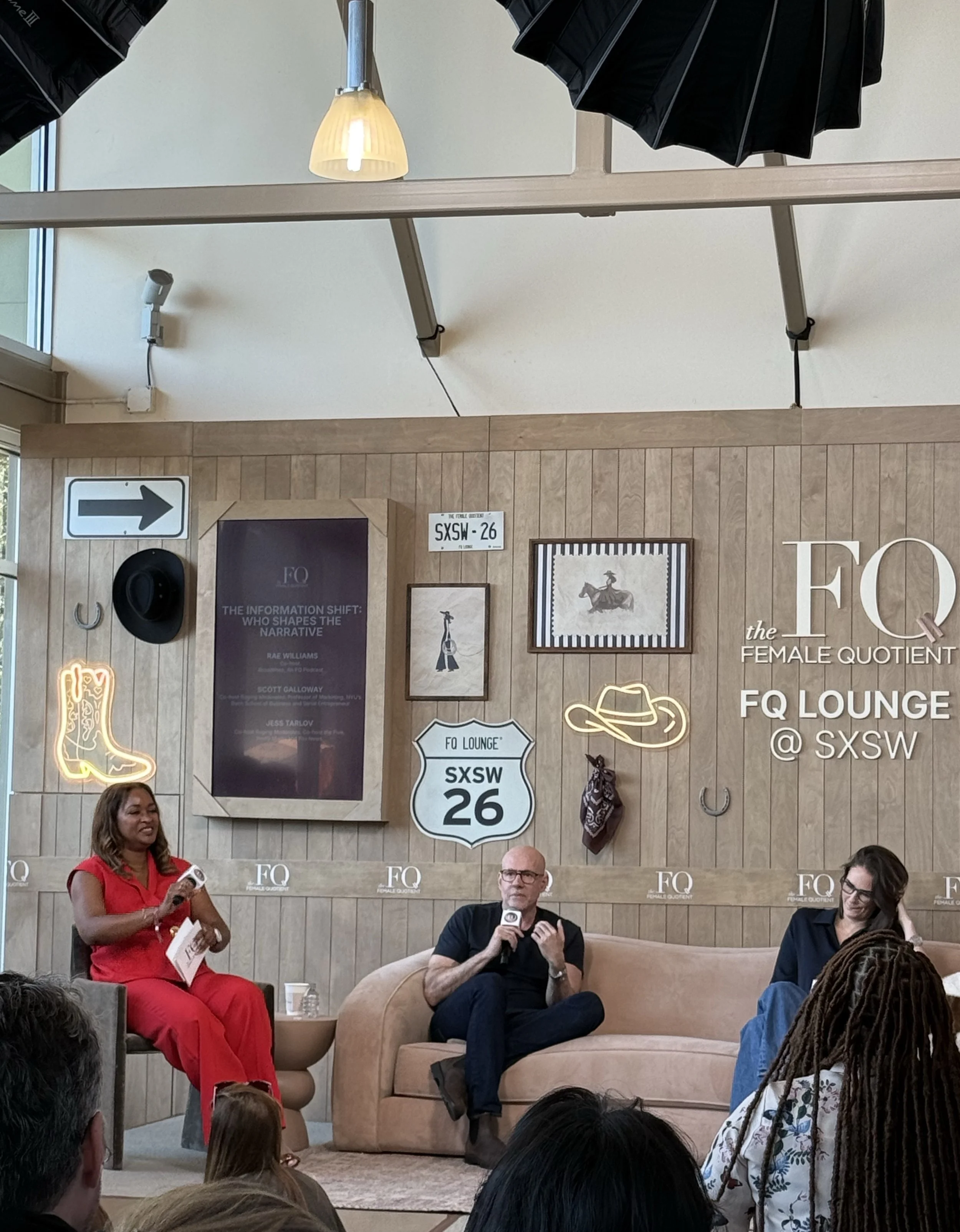
Scott Galloway spoke about the dangers of algorithmic noise and the pressure to react to everything online. Riz Ahmed reflected on how public personas and private realities often diverge.
And Ben Cohen of Ben & Jerry’s reminded the audience that a company’s most powerful tool is its voice.
In an era of endless content and commentary, authenticity stands out.
Brands that know what they stand for, and are willing to say it clearly, are the ones that resonate.
What This Means for Marketers
SXSW didn’t reveal a single breakthrough technology or platform. Instead, it highlighted something more important.
The experiences people respond to most are human. They are tactile. They are designed with intention. They respect the audience’s time and curiosity.
Technology will keep evolving. AI will continue reshaping the industry.
But the brands that stand out will be the ones that use those tools to create experiences that feel personal, memorable, and rooted in community.